The Garden didn’t begin as a concept I built. It arrived. The women stepped forward long before I understood what they were becoming. Each one appeared with her own history, her own voice, her own scars, and her own truth, and my work has simply been to keep up with them.
As their stories unfold, I try to honor who they are at their core. I study their posture, their clothing, their hair, the way they sit, the way they stand, the way they move through a room. I change their looks as I learn more about them — not for aesthetics, but for accuracy. It’s a process that feels a little like working with paper dolls, except the purpose isn’t decoration. It’s discovery. Every variation helps me understand them more deeply and write them more honestly.
The Ladies of the Garden came to me unexpectedly, fully alive and insistent. As I continue telling their stories, I want their appearance to reflect their individuality and the heart of who they are. They may have started with one look, but you’ll see many of their faces and styles along the way — each one revealing another layer of the women who chose me to tell their story.
Lola
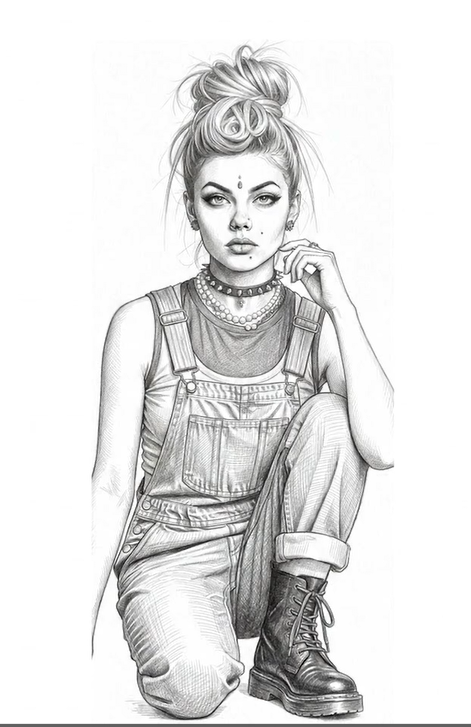
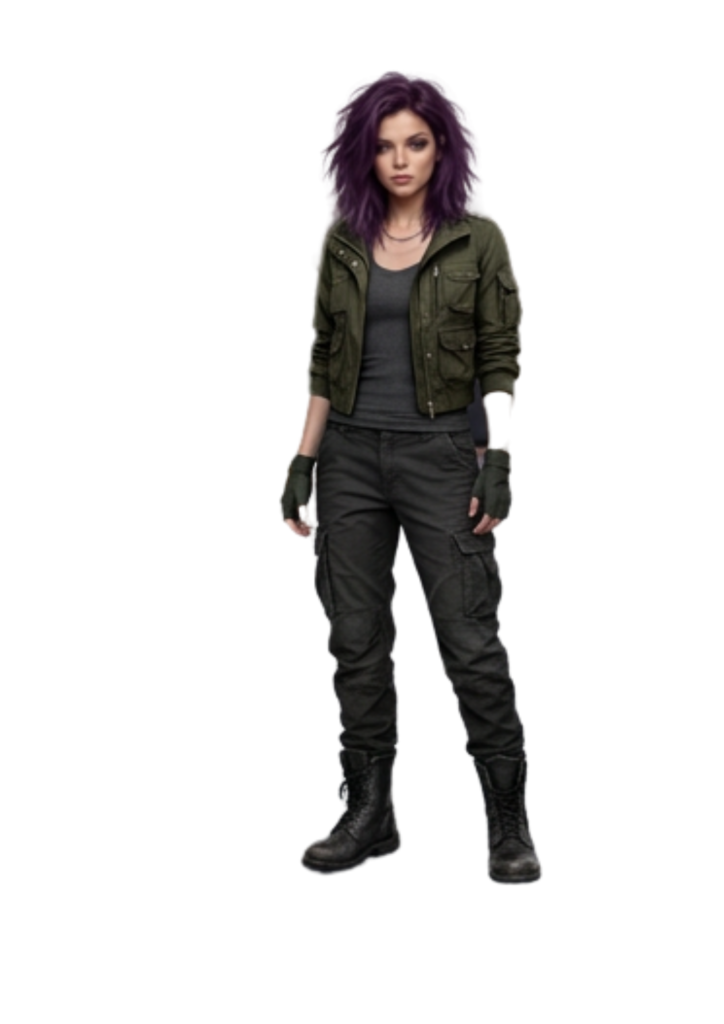
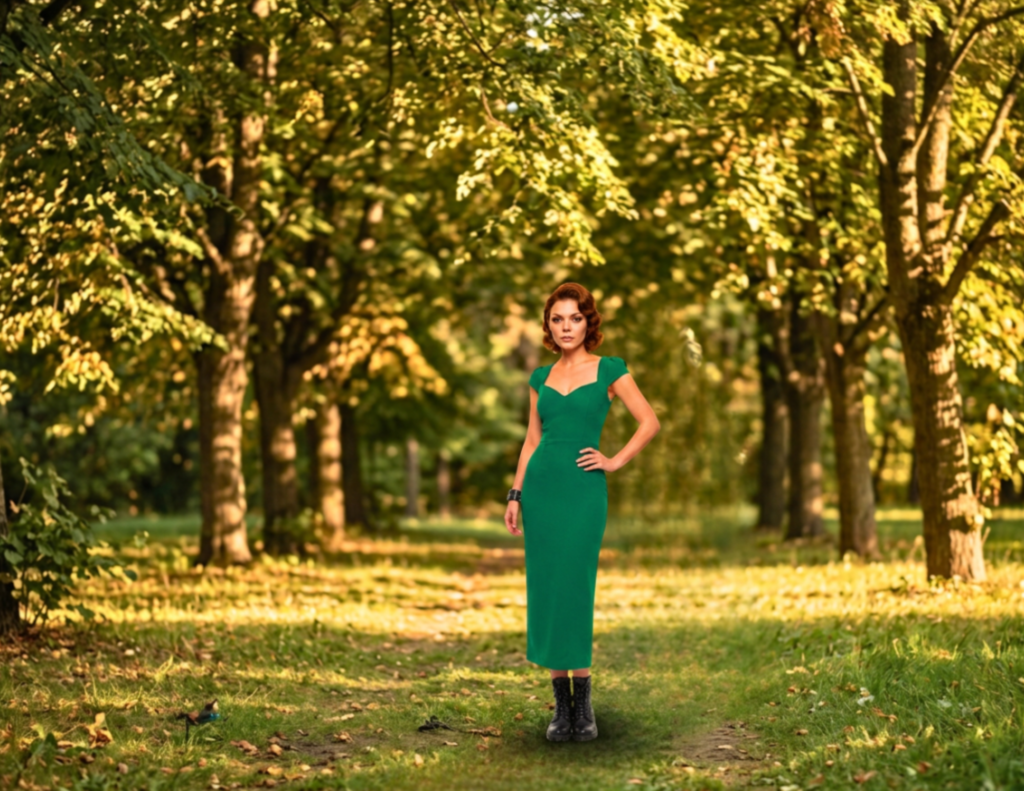
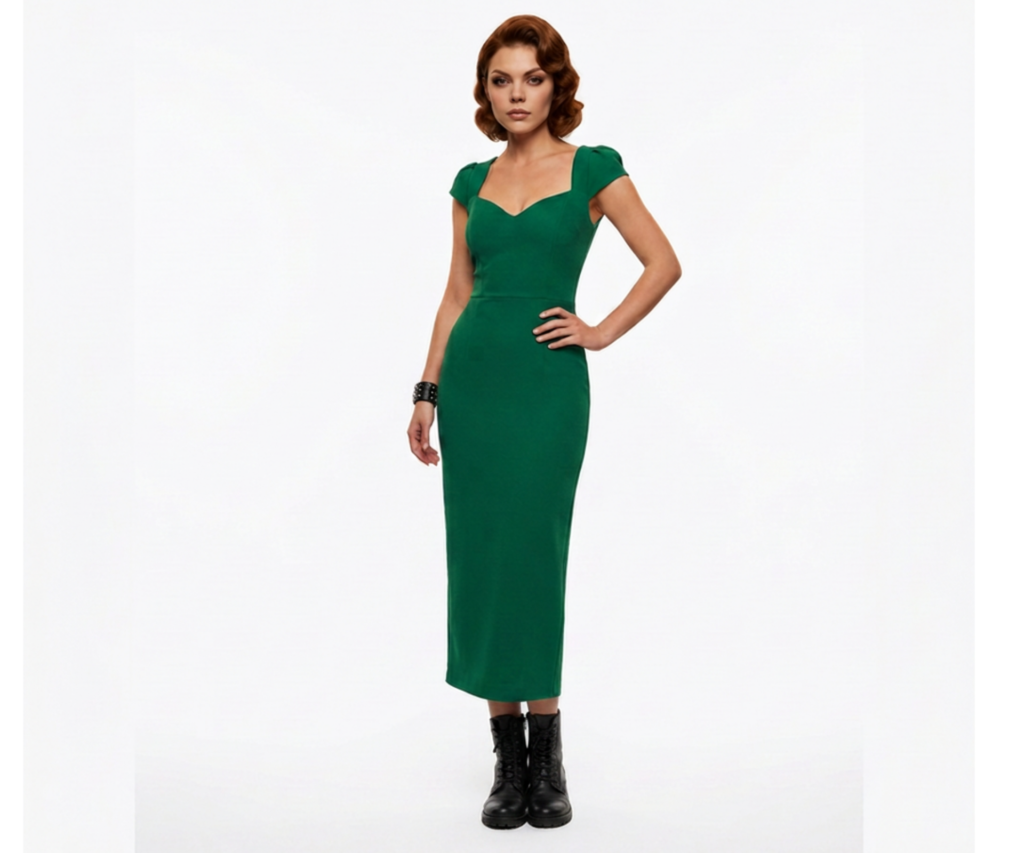
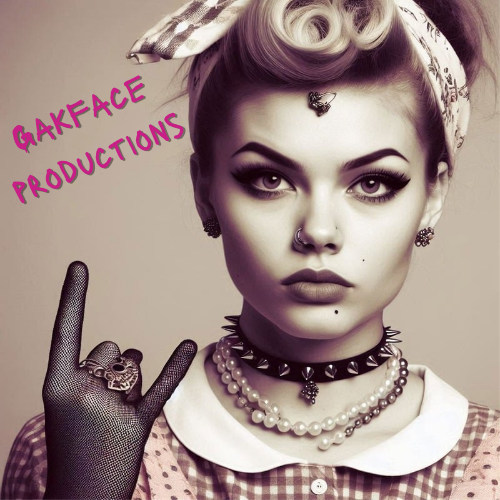
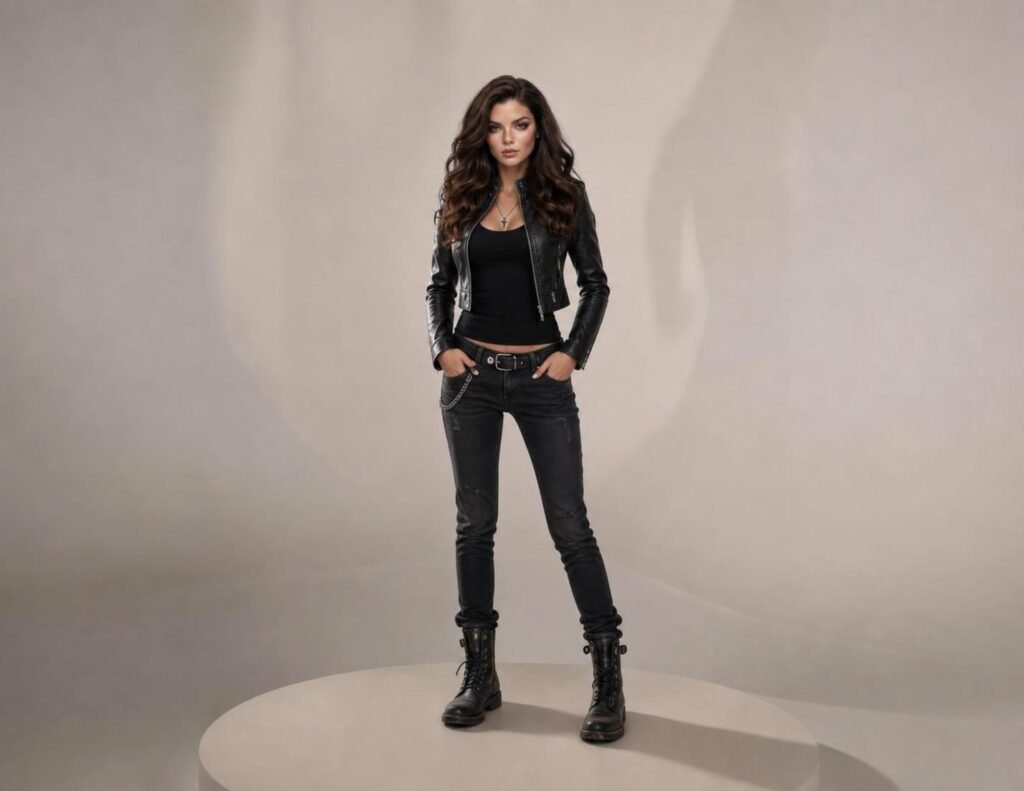
Lola began as the face of my production company, GakFace Productions. I used her image in videos, ads, and even on merchandise, never expecting her to become anything more than a striking visual. But over time, she kept talking. She kept showing up. She kept revealing pieces of herself until it became impossible to ignore her.
I didn’t create Lola so much as she introduced herself. She arrived fully formed, with a voice, a history, and a presence that refused to be quiet. As she continued to reveal her story, the Garden grew around her—shaped by her instincts, her grit, and the way she moves through the world. I write the words, but Lola directs the turns. She builds the Garden from the inside, and I follow her lead from the page.
Her evolution has been constant. I study her posture, her clothing, her hair, the way she stands, the way she sits, the way she looks at people. I change her appearance as I learn more about who she is at her core. It’s not decoration; it’s discovery. Every version brings me closer to the truth of her.
Lola didn’t start as a character. She became one. And now she stands at the center of the Garden, guiding every story that follows.
Molly
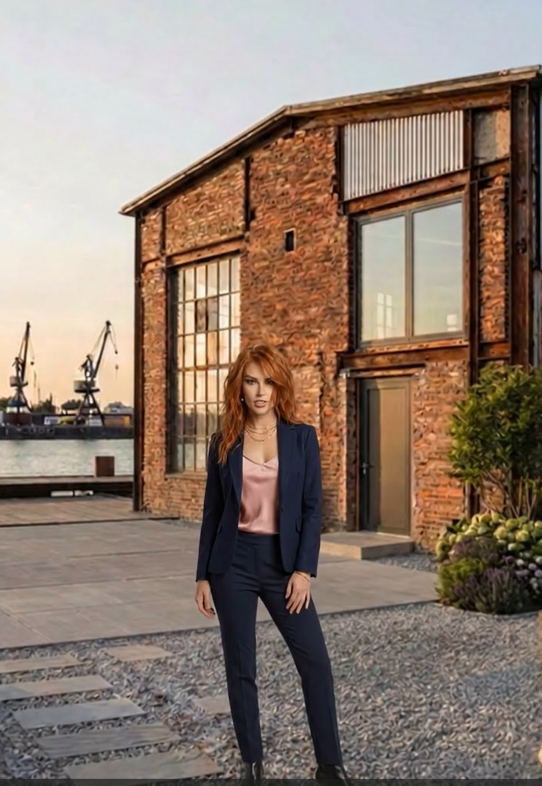
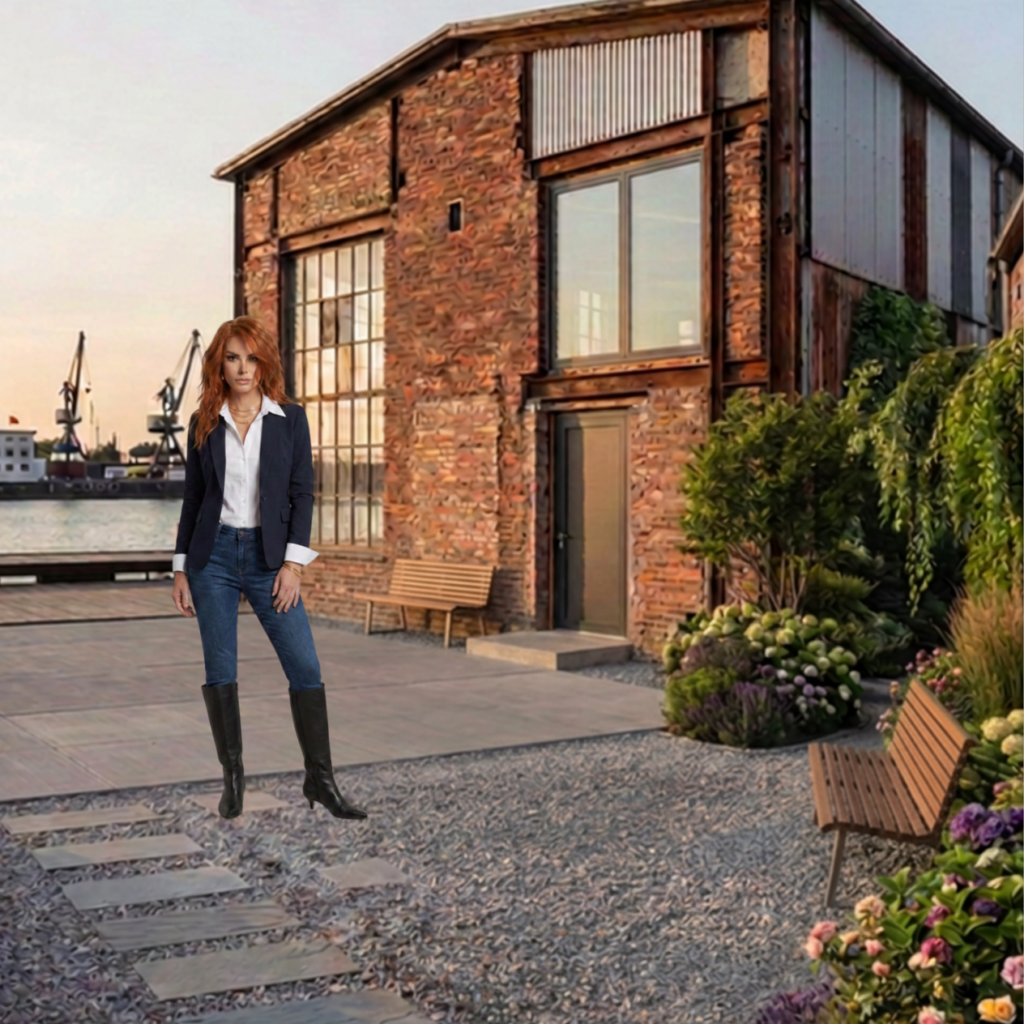
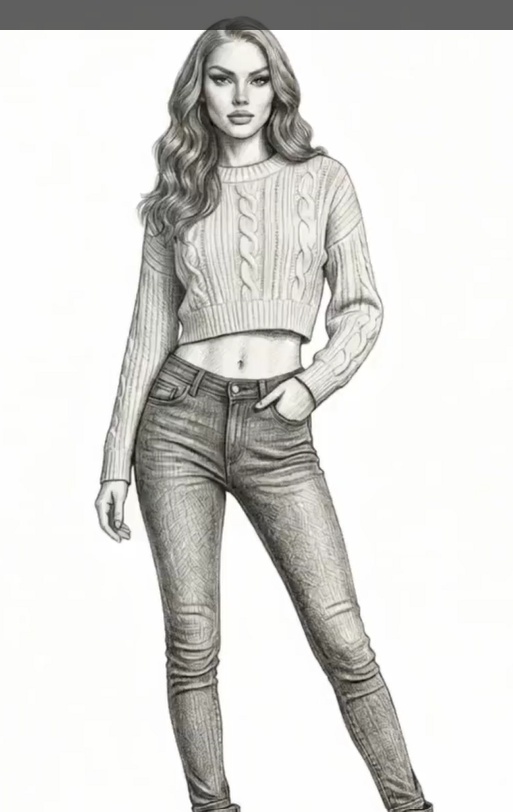
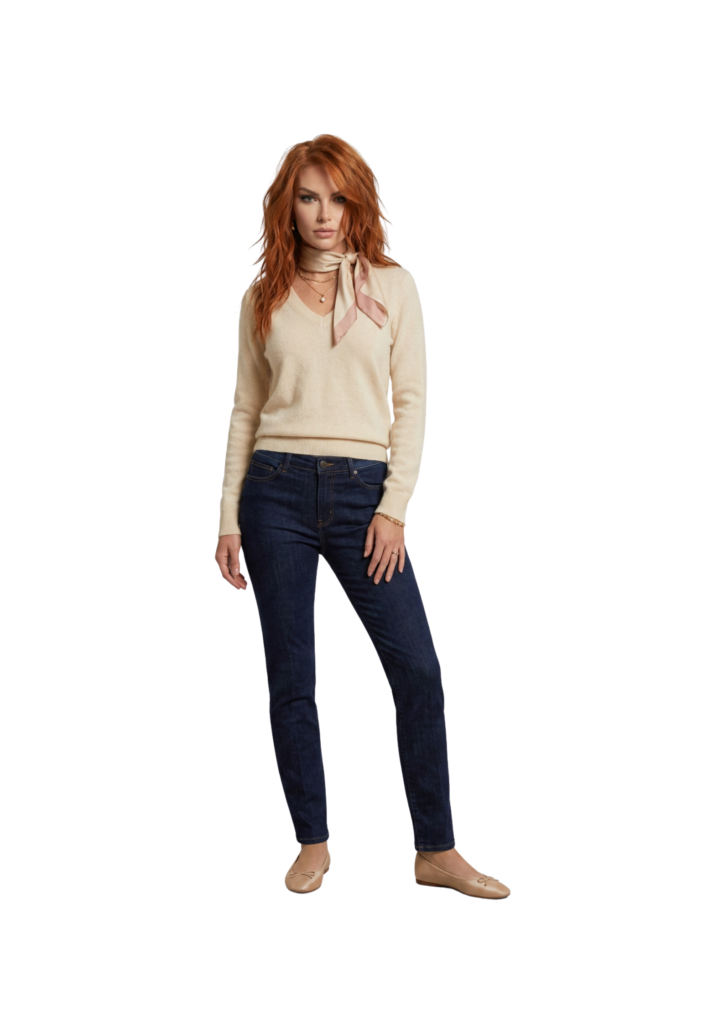
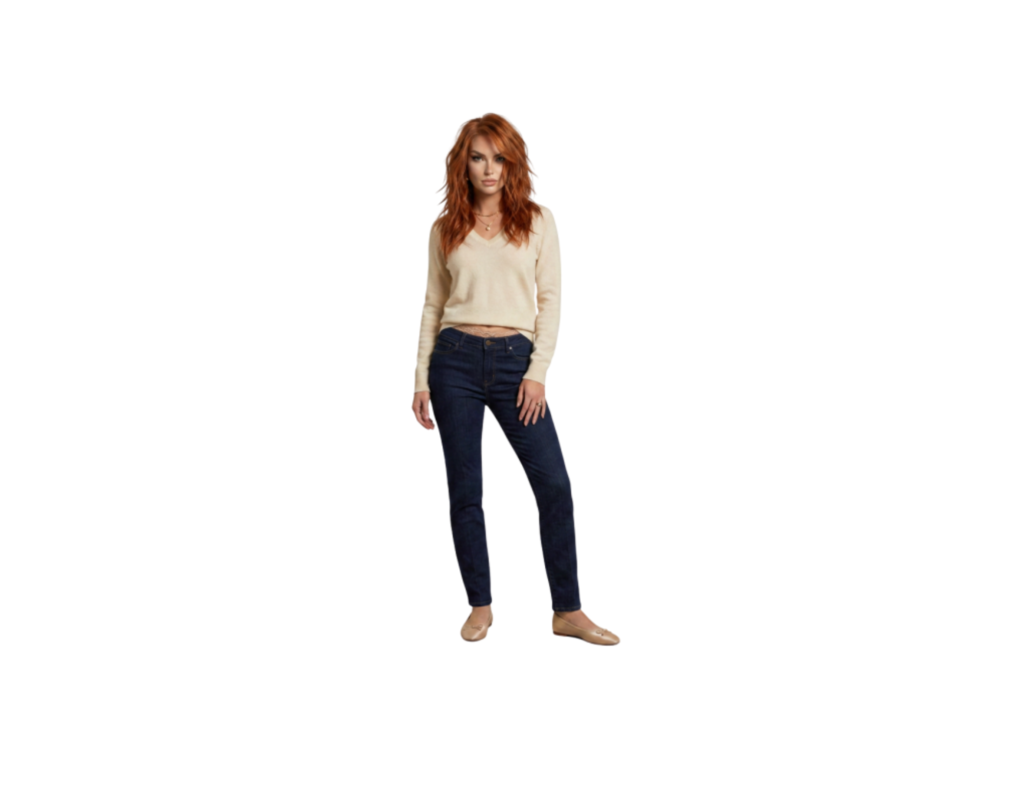
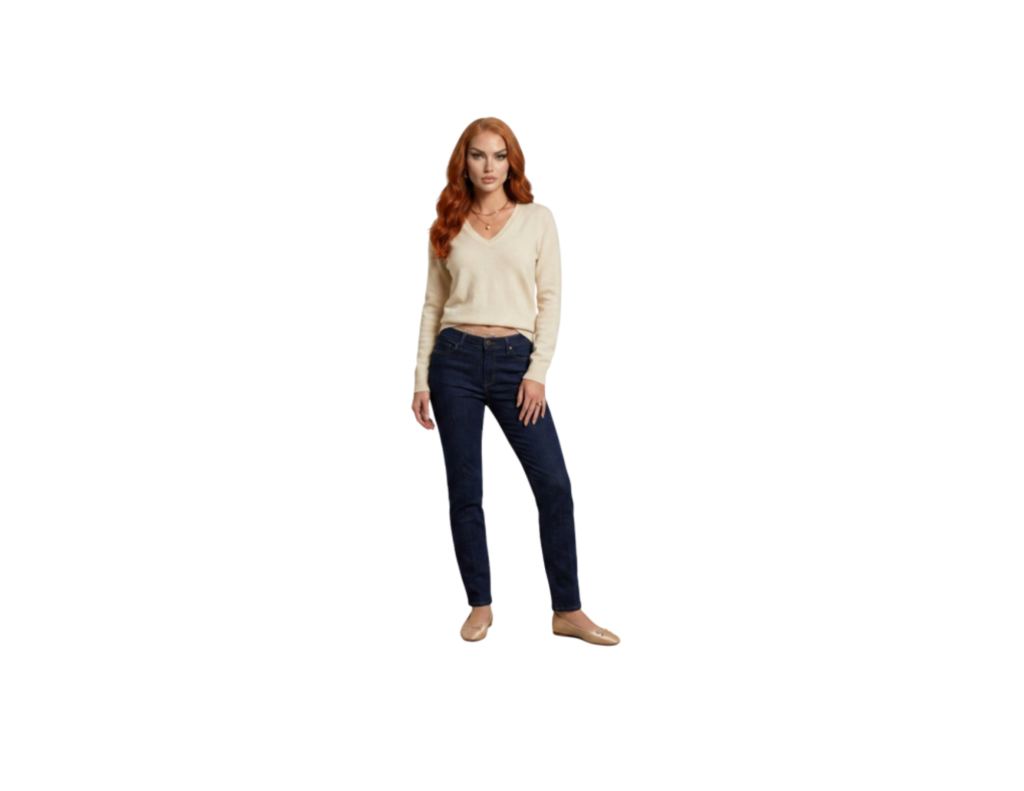
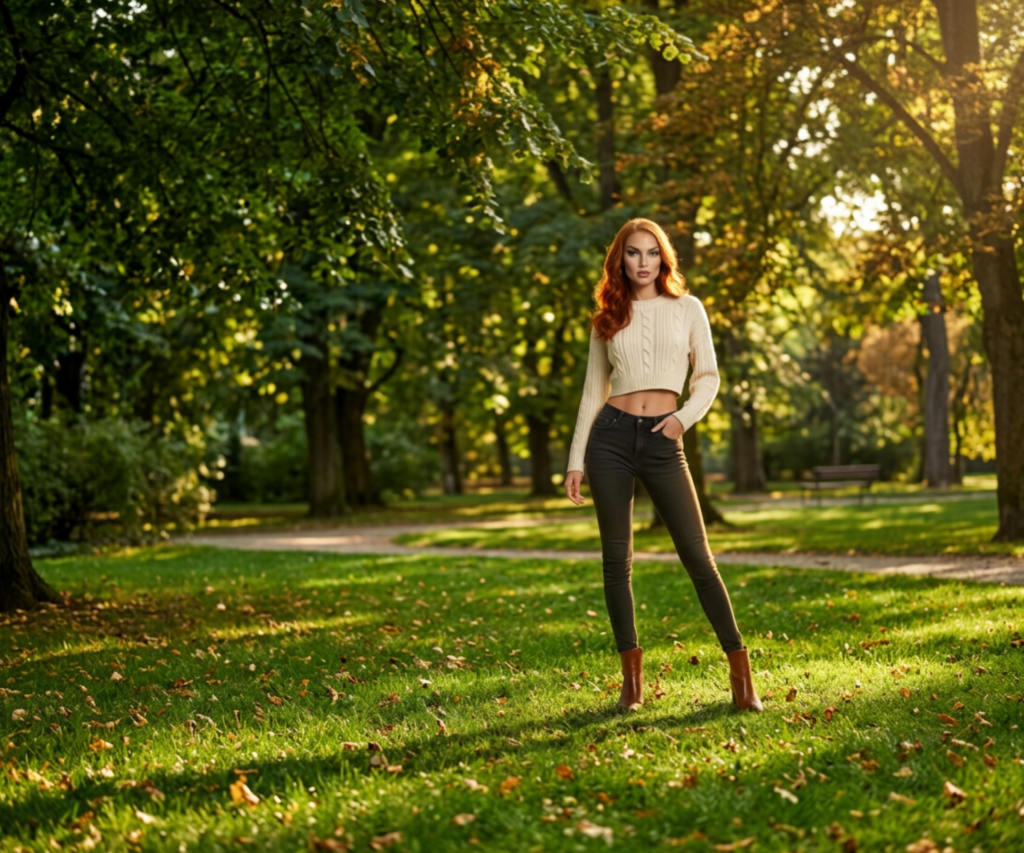
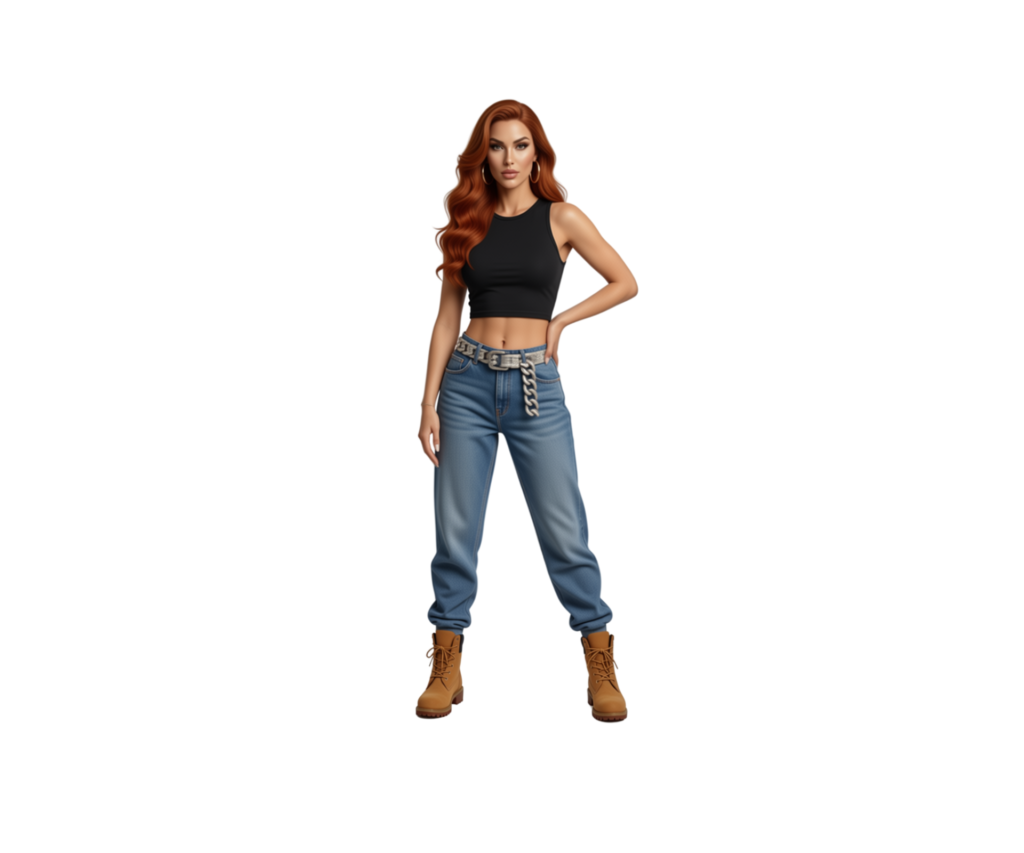
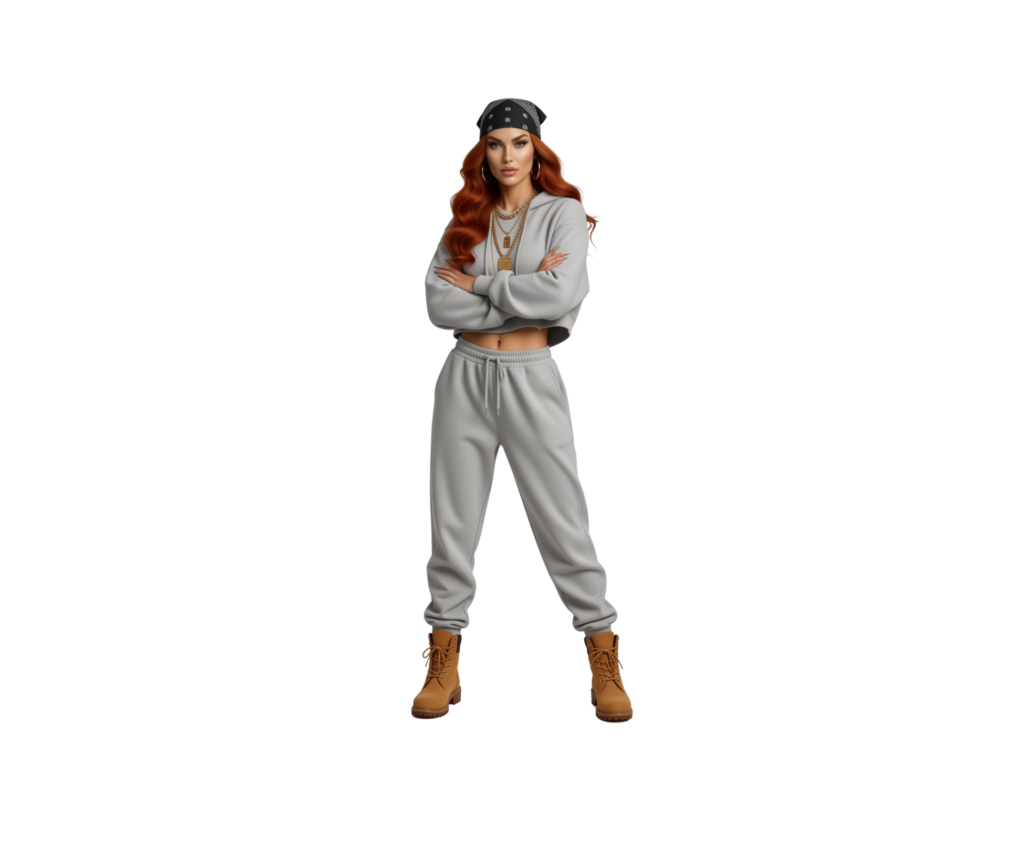
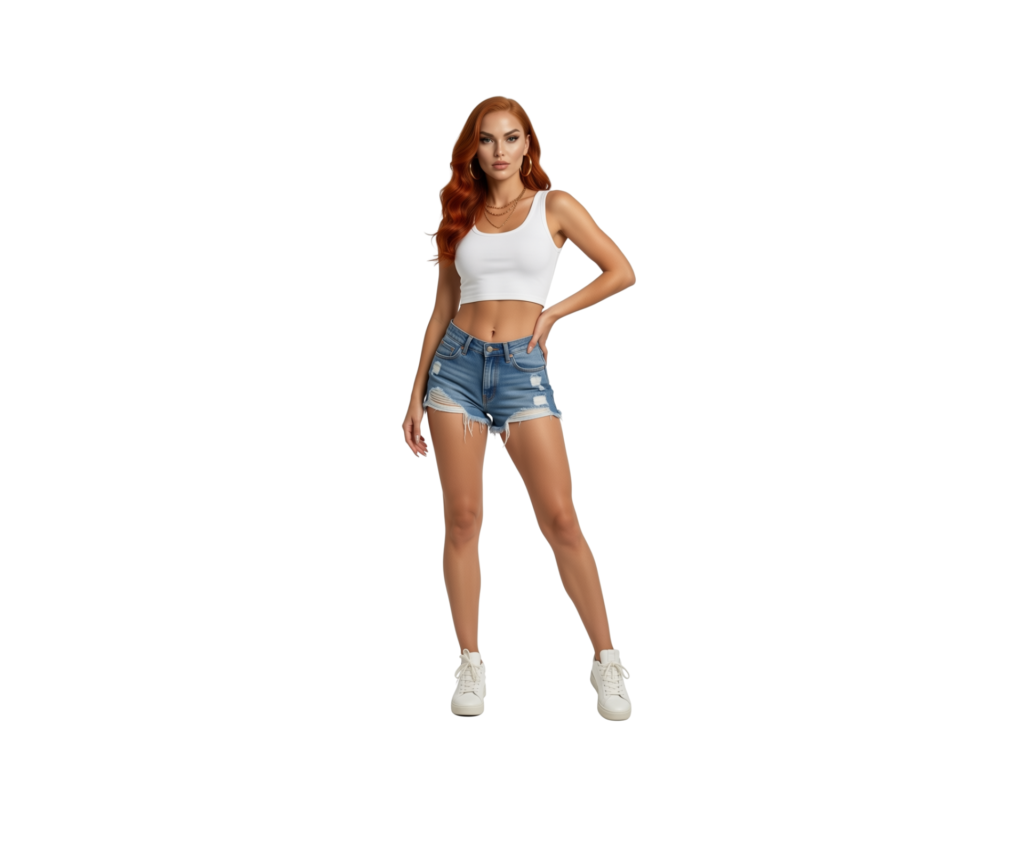
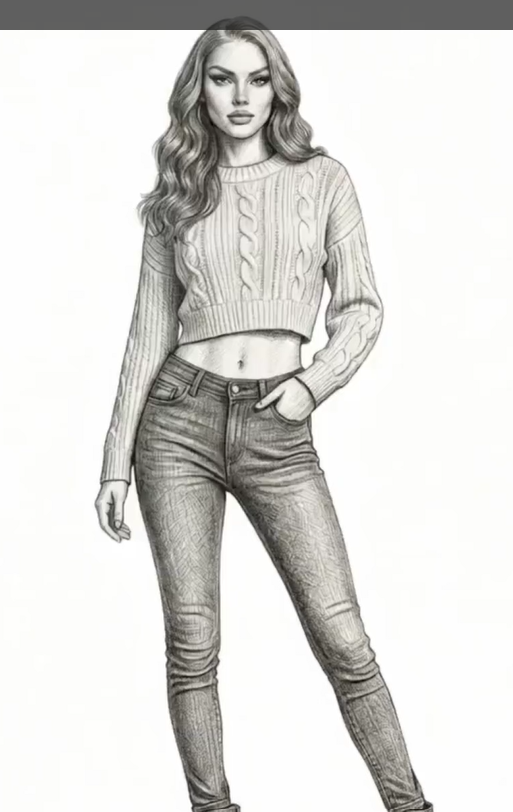
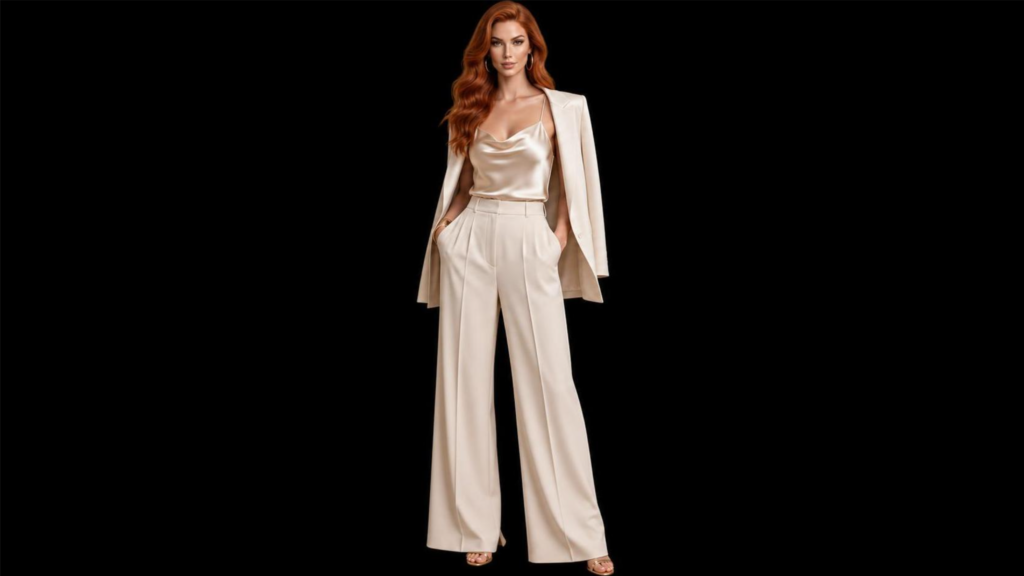
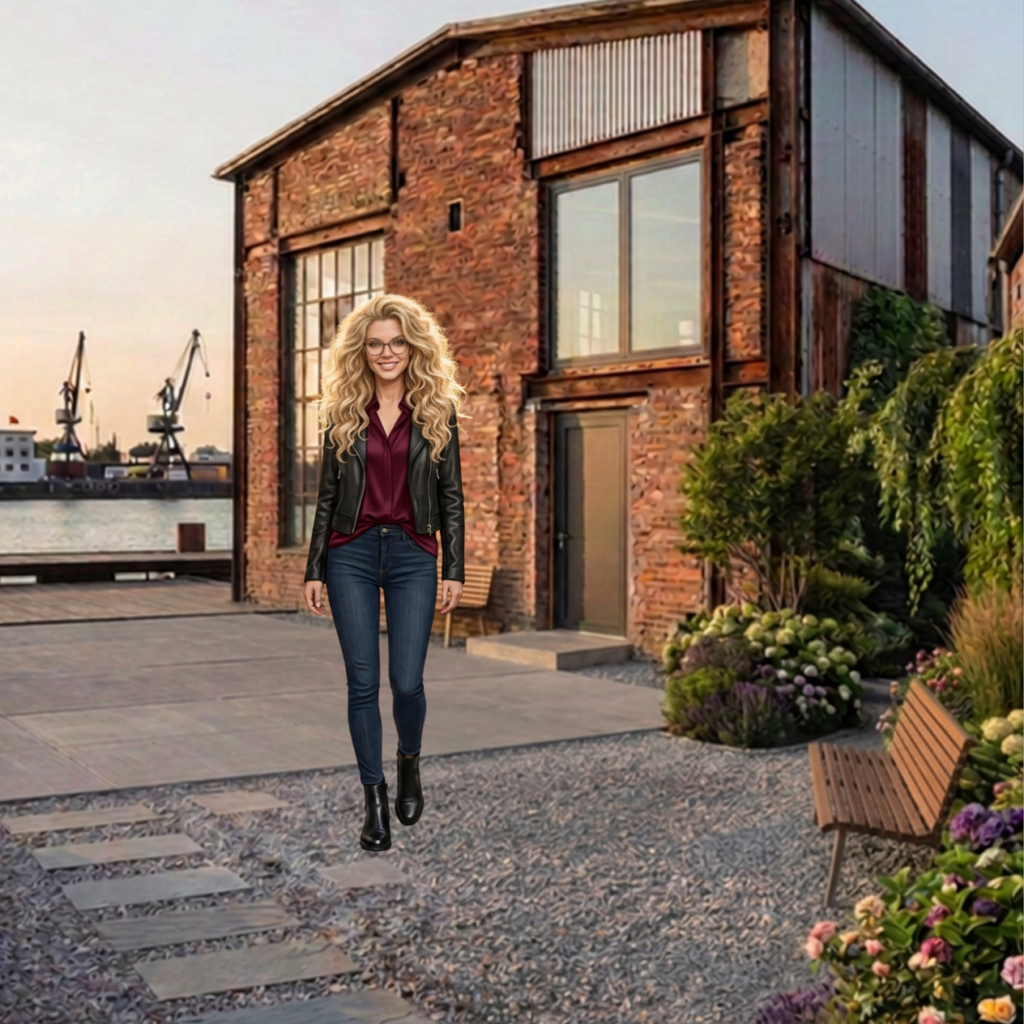
Molly didn’t arrive loudly. She slipped into the Garden the same way she moves through every room—quiet, observant, and impossible to overlook once she’s there. She began as a simple visual in my early sketches, a debutante with a polished past and a rebellious streak, but she kept revealing more. Every shift in her posture, her clothes, her hair showed me another layer of who she really was.
As she evolved, Molly became the Garden’s warmth. She’s elegance with grit, softness with a spine, a woman who walked away from the world she was raised for and built her own identity from scratch. Each new look helps me understand her more deeply, and every version brings me closer to the heart of who she is. Molly didn’t force her way into the Garden—she simply belonged there.
Fannie & Jewel
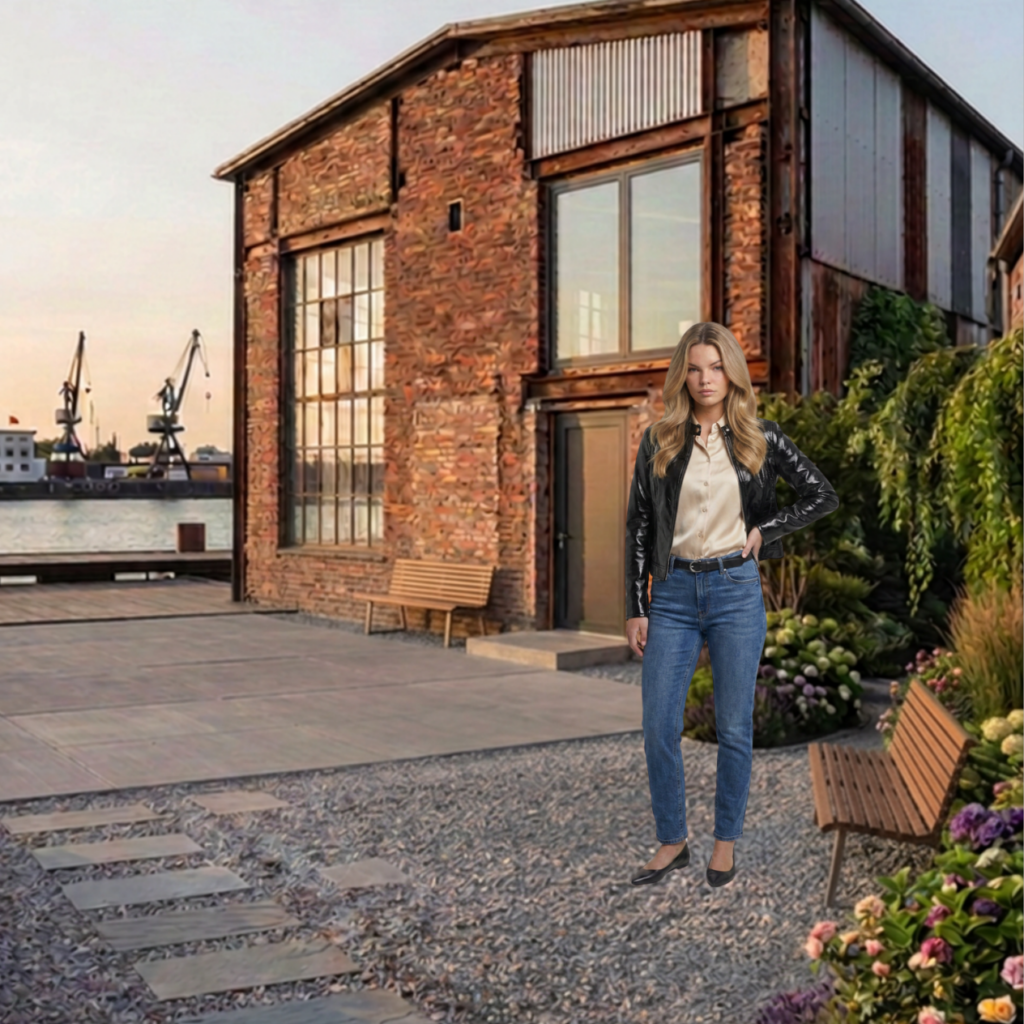
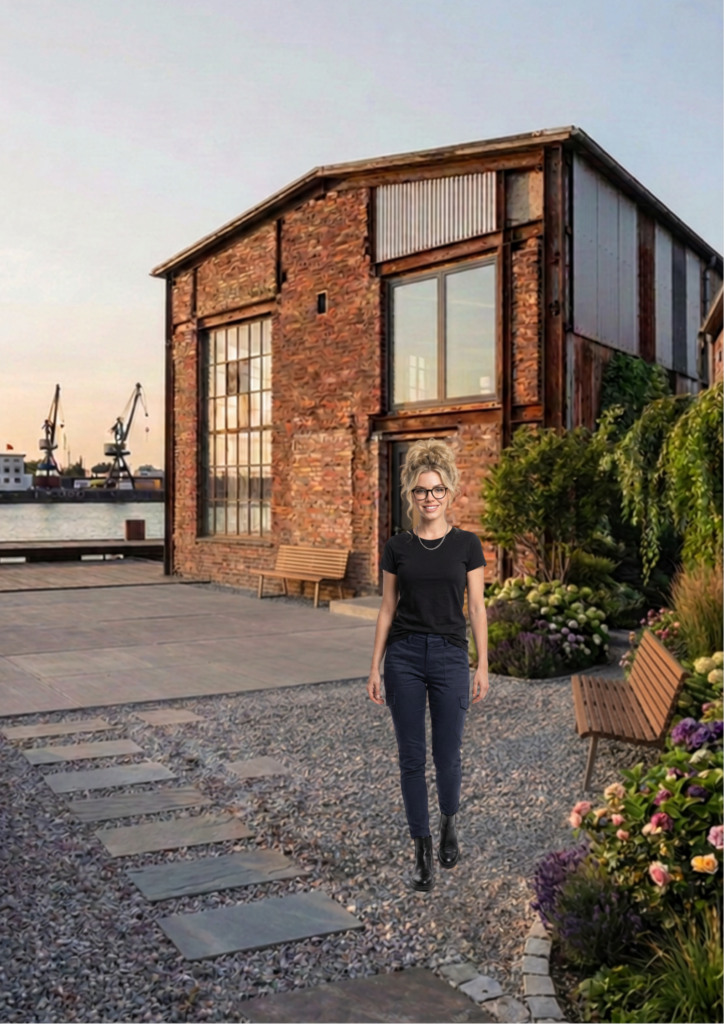
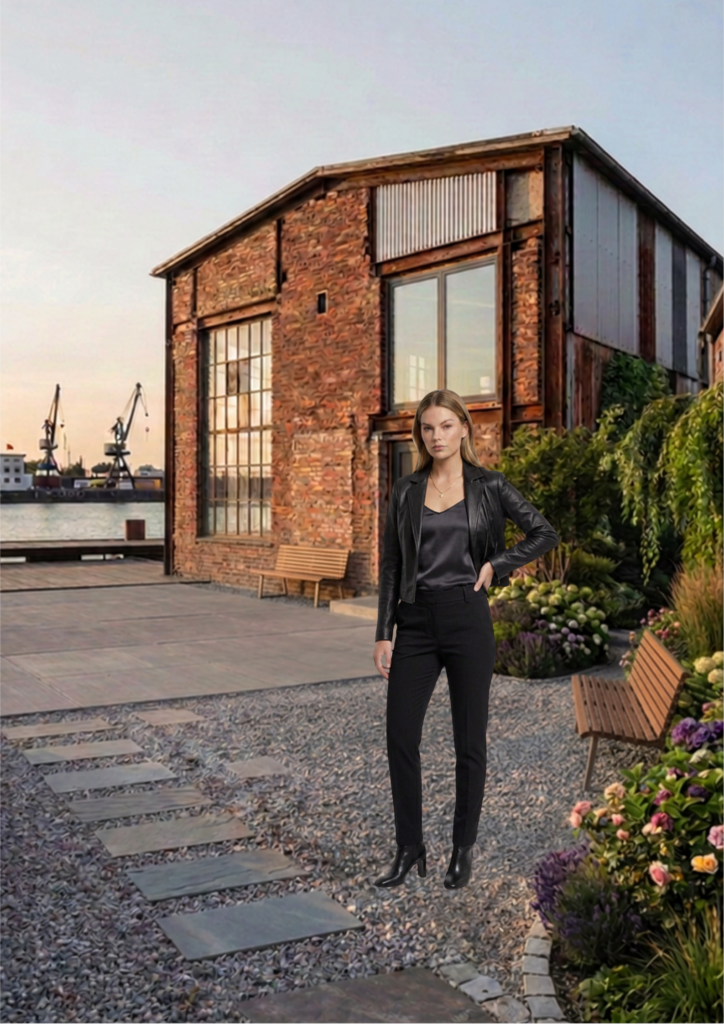
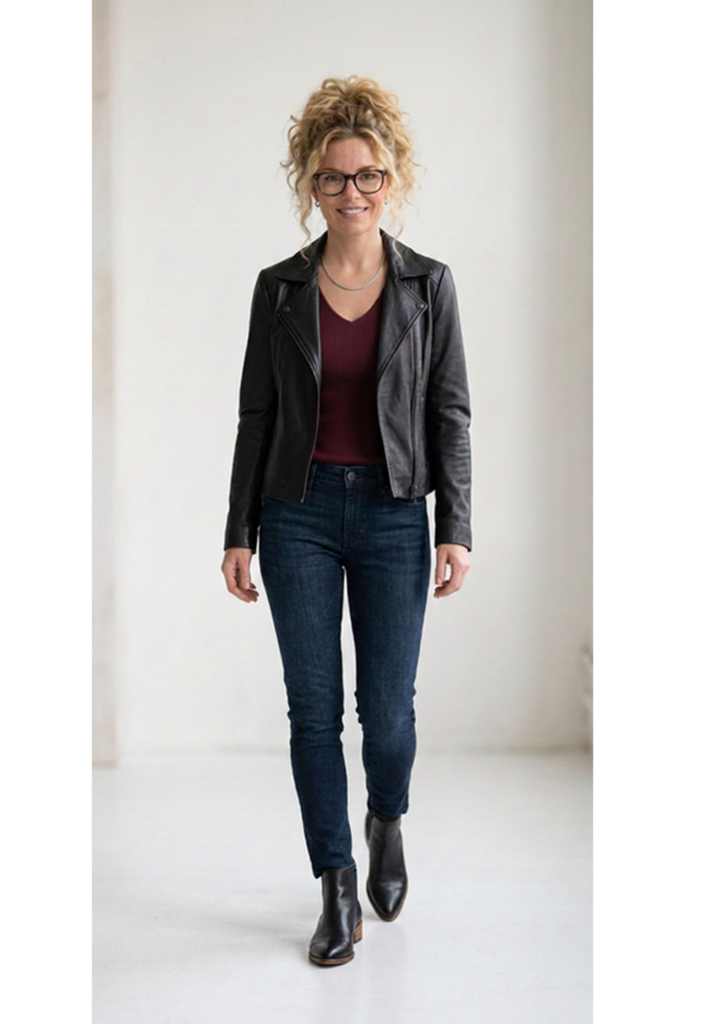
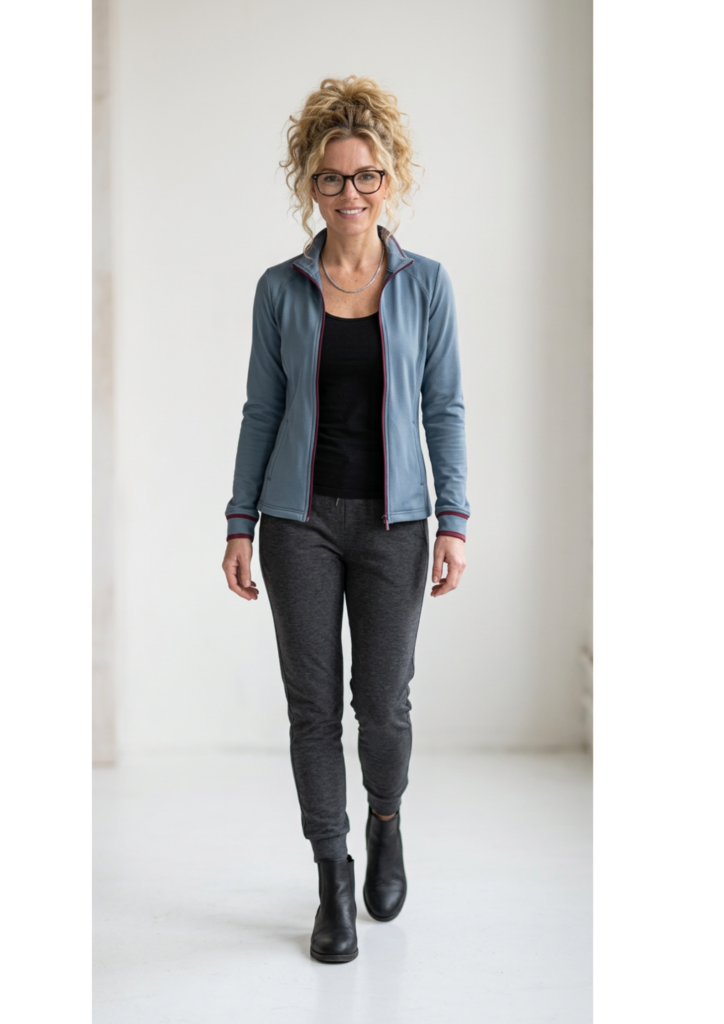
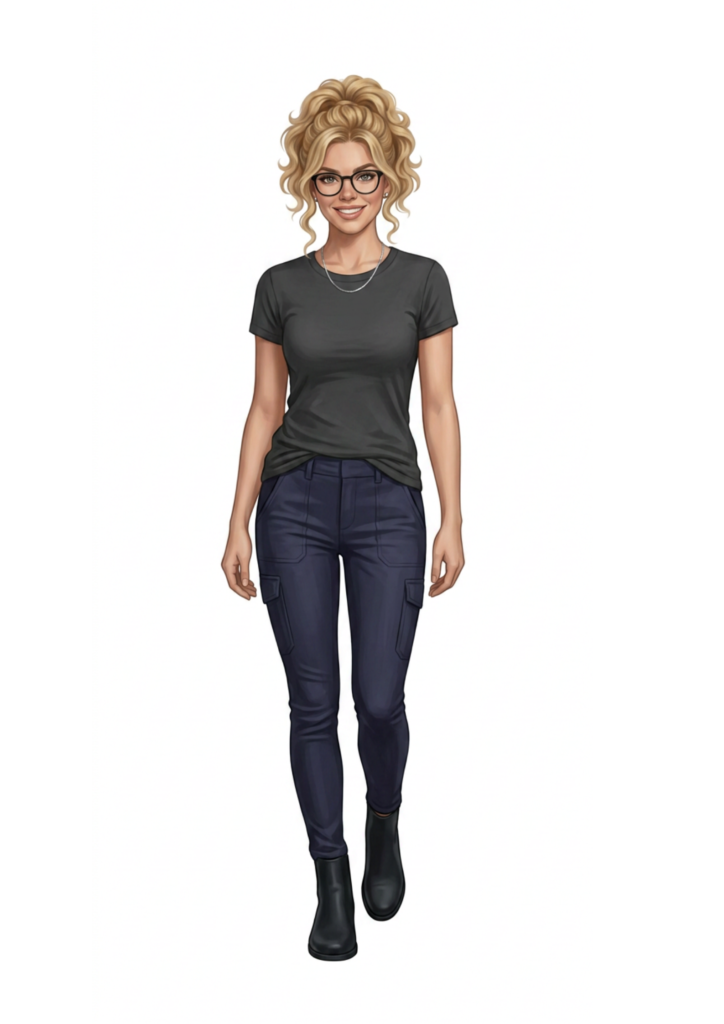
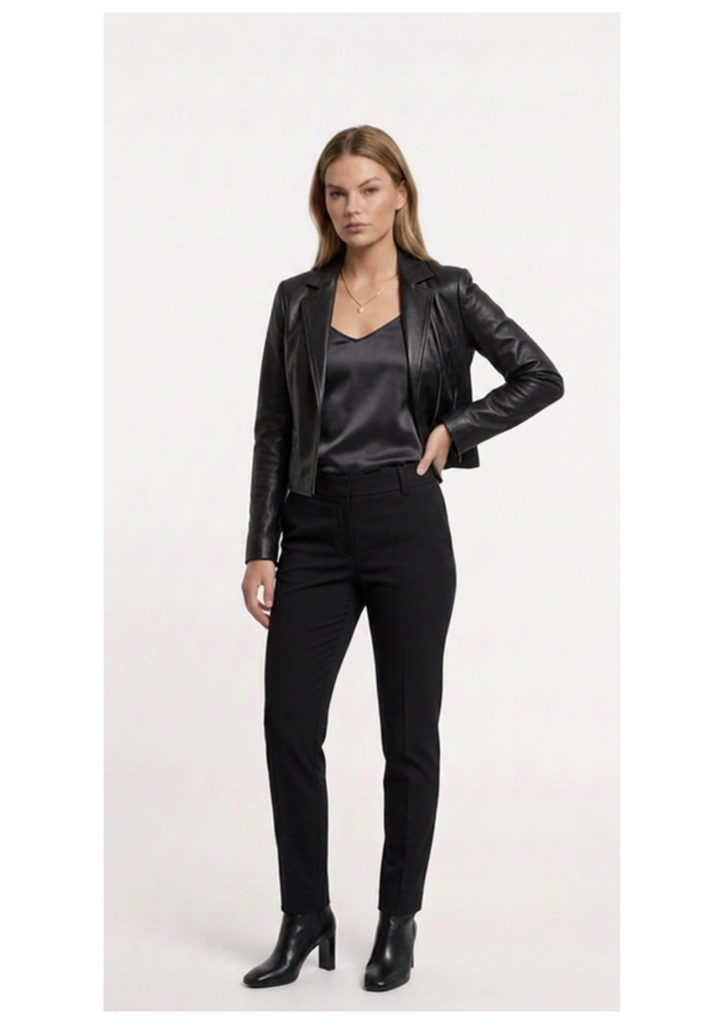
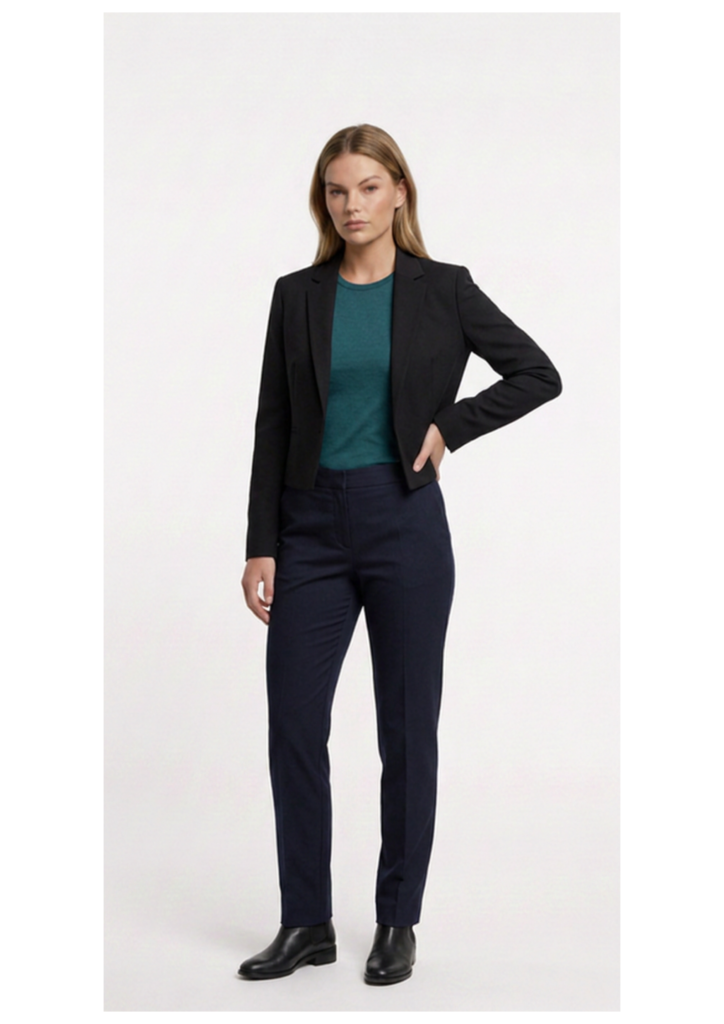
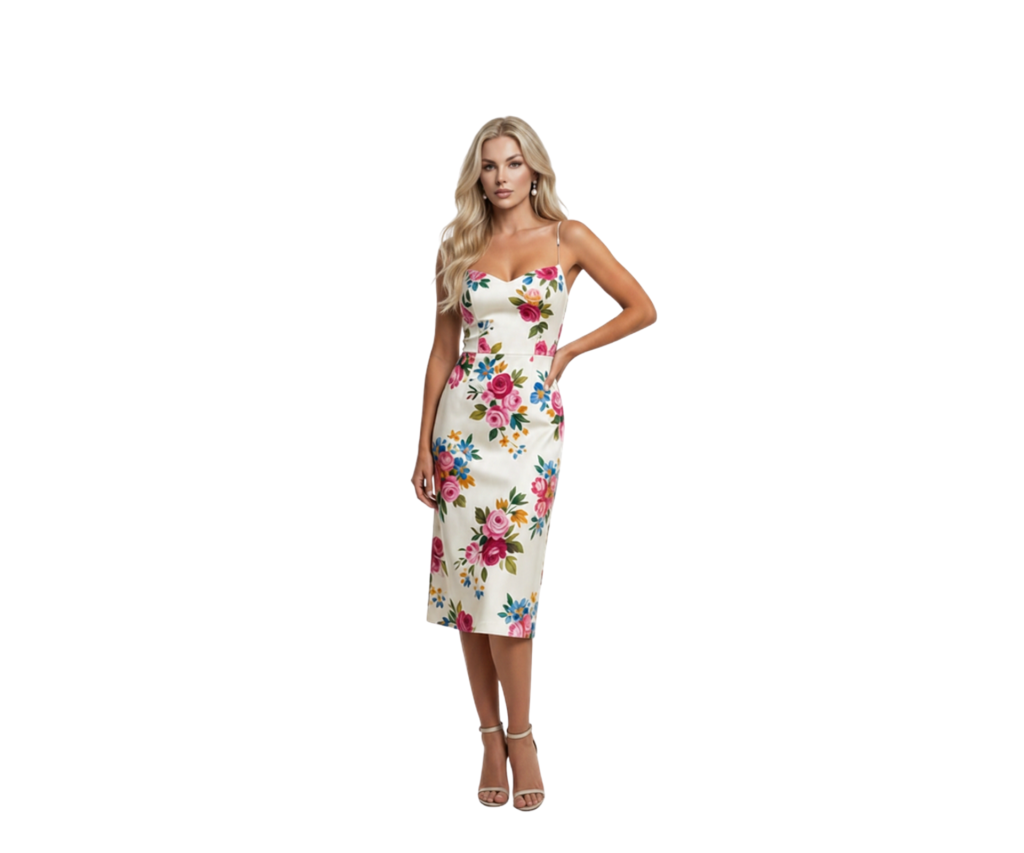
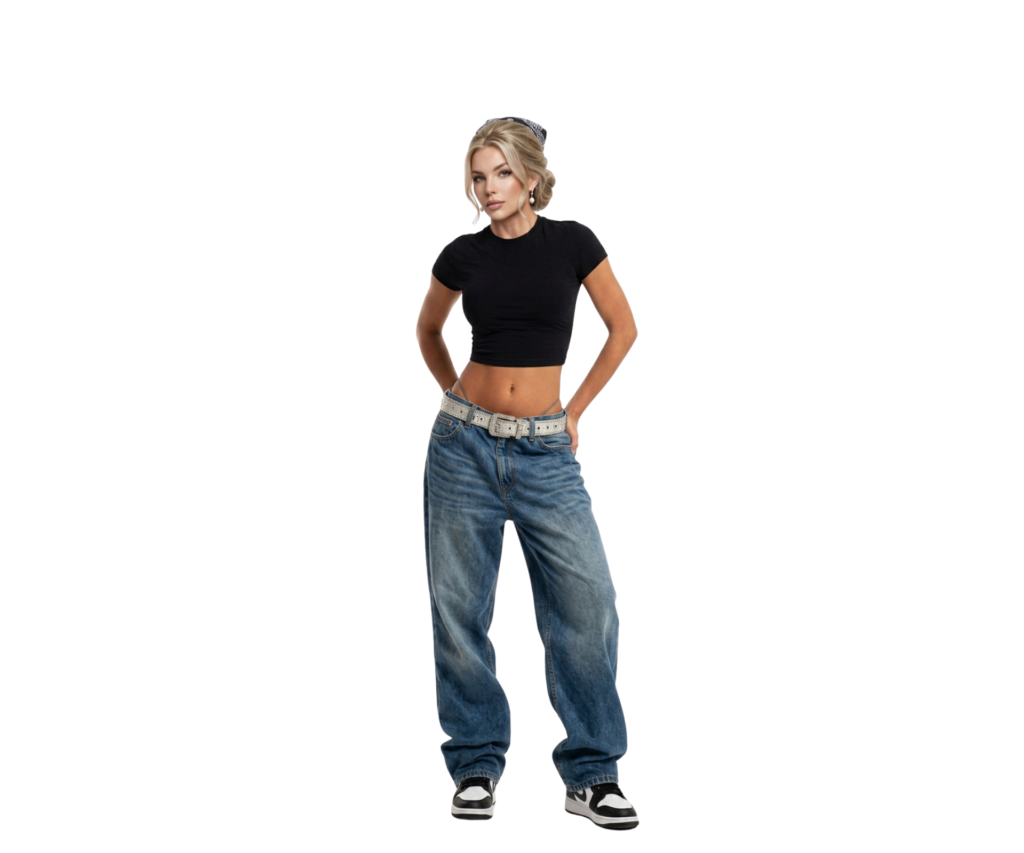
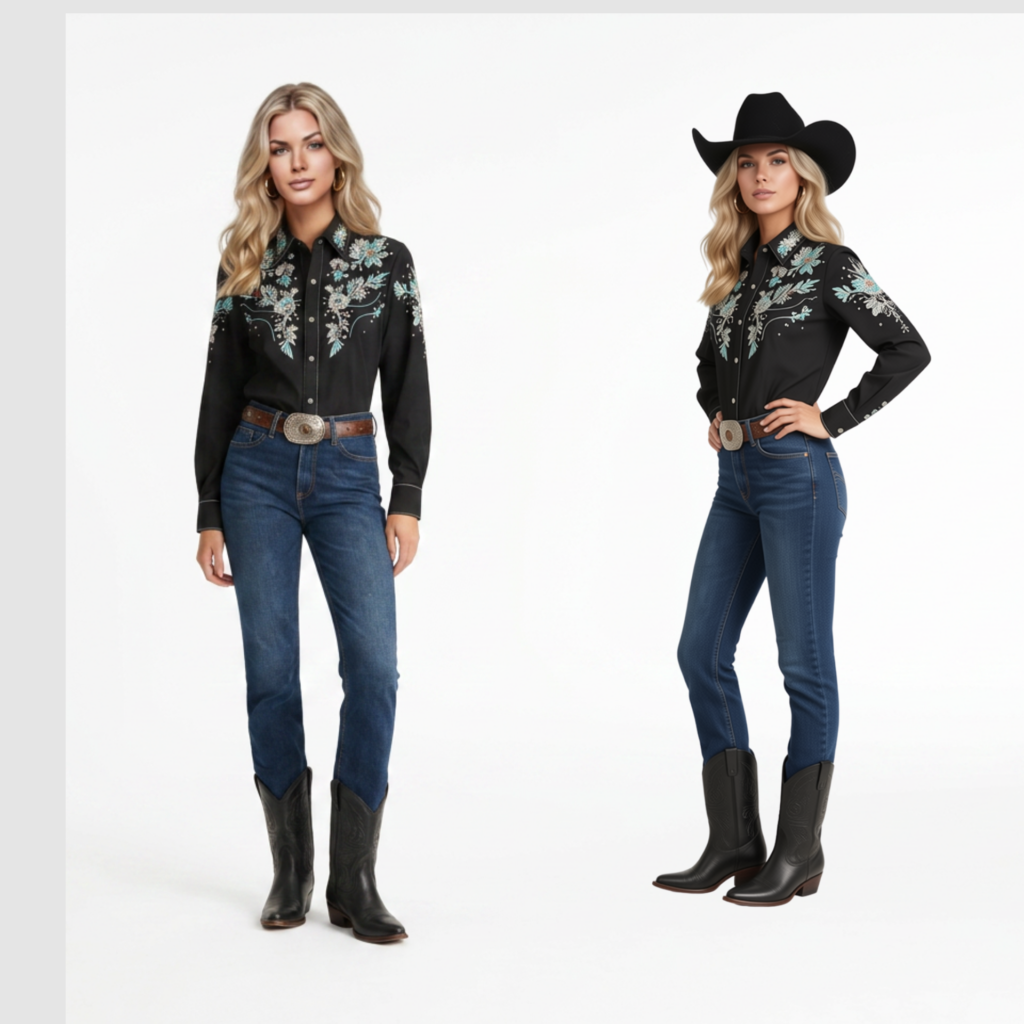
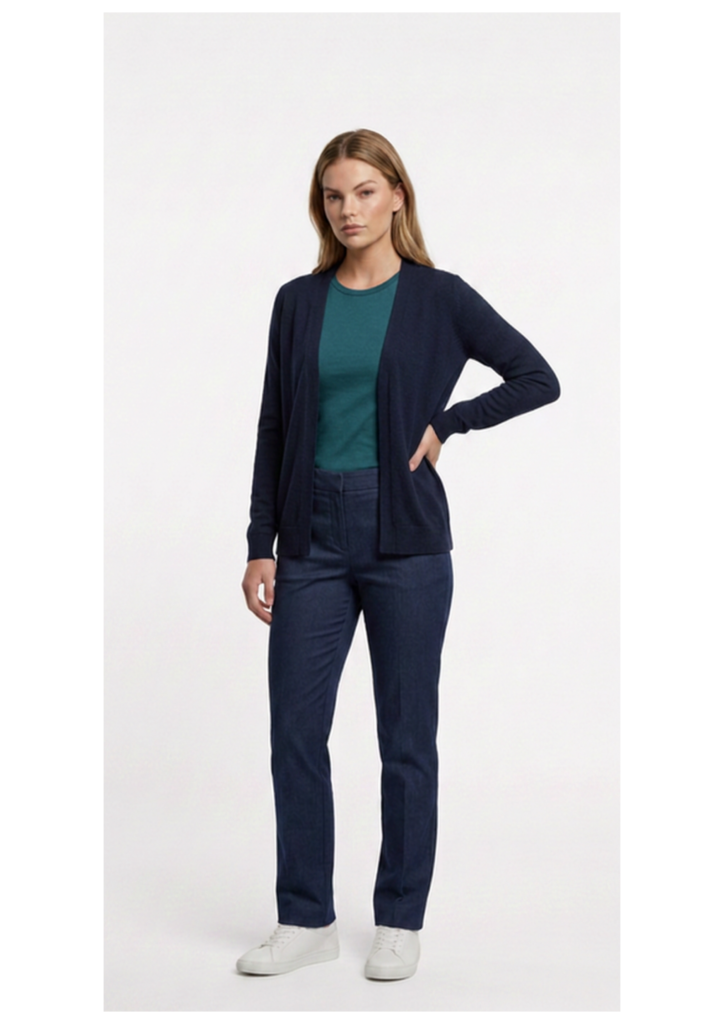
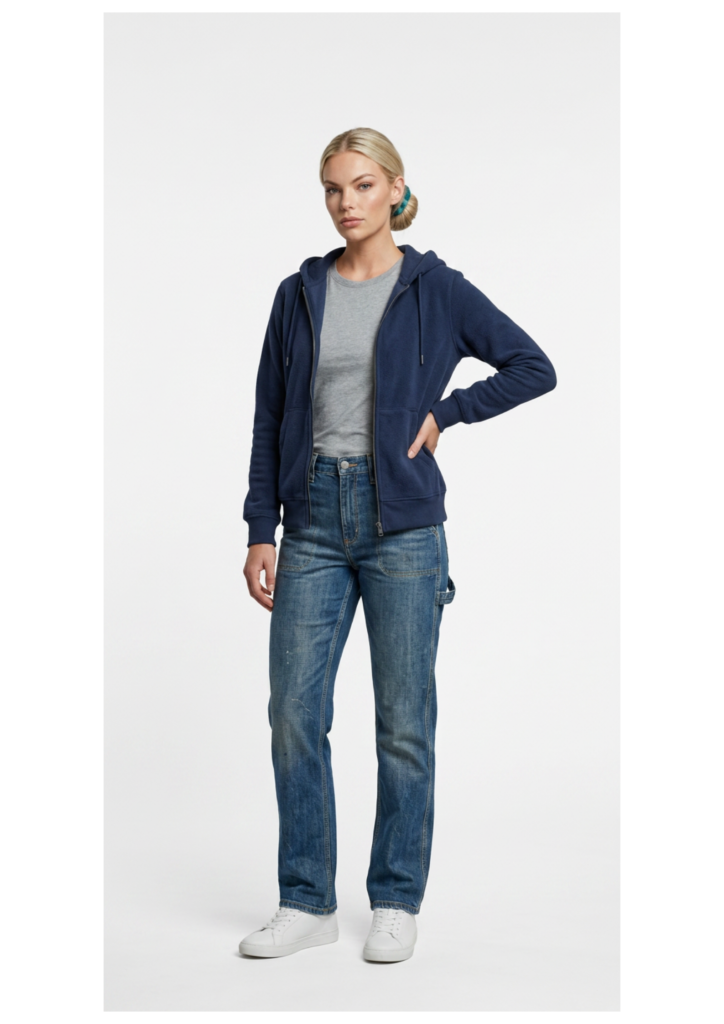
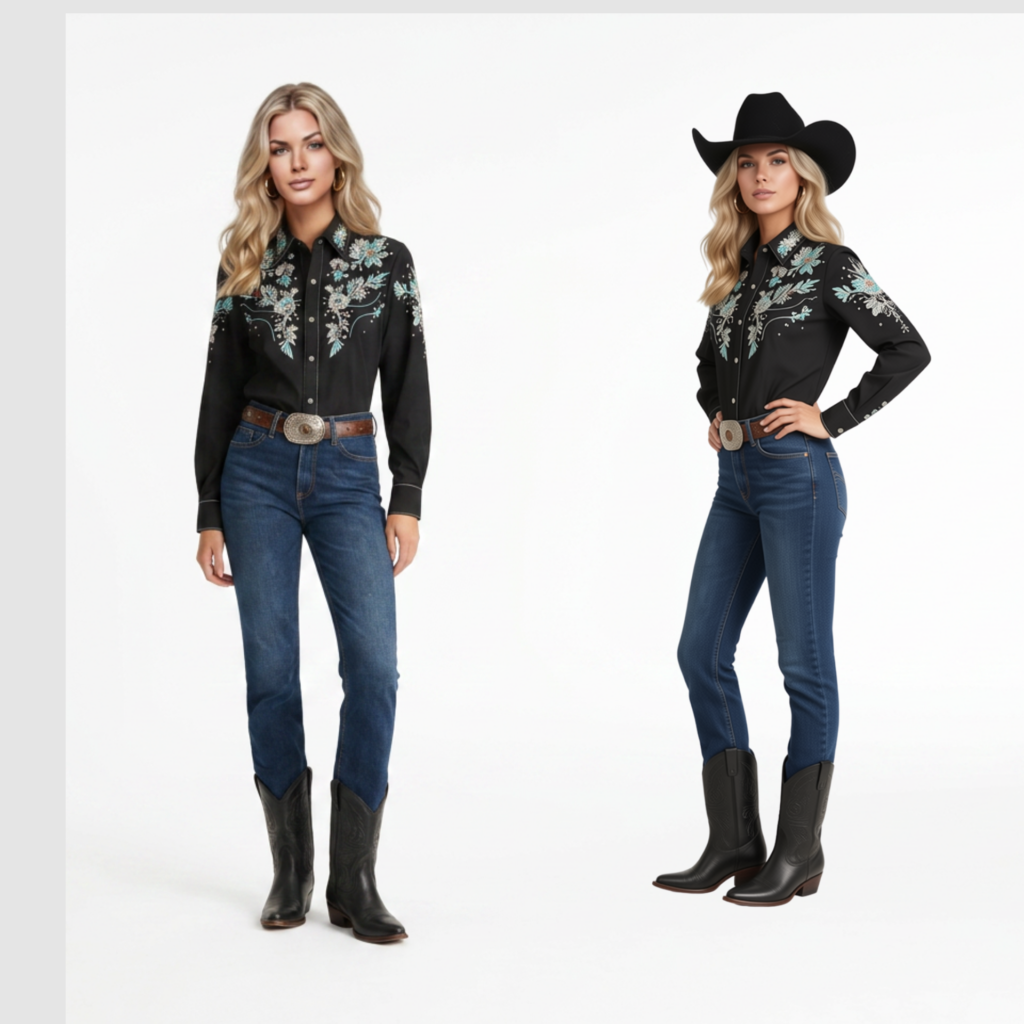
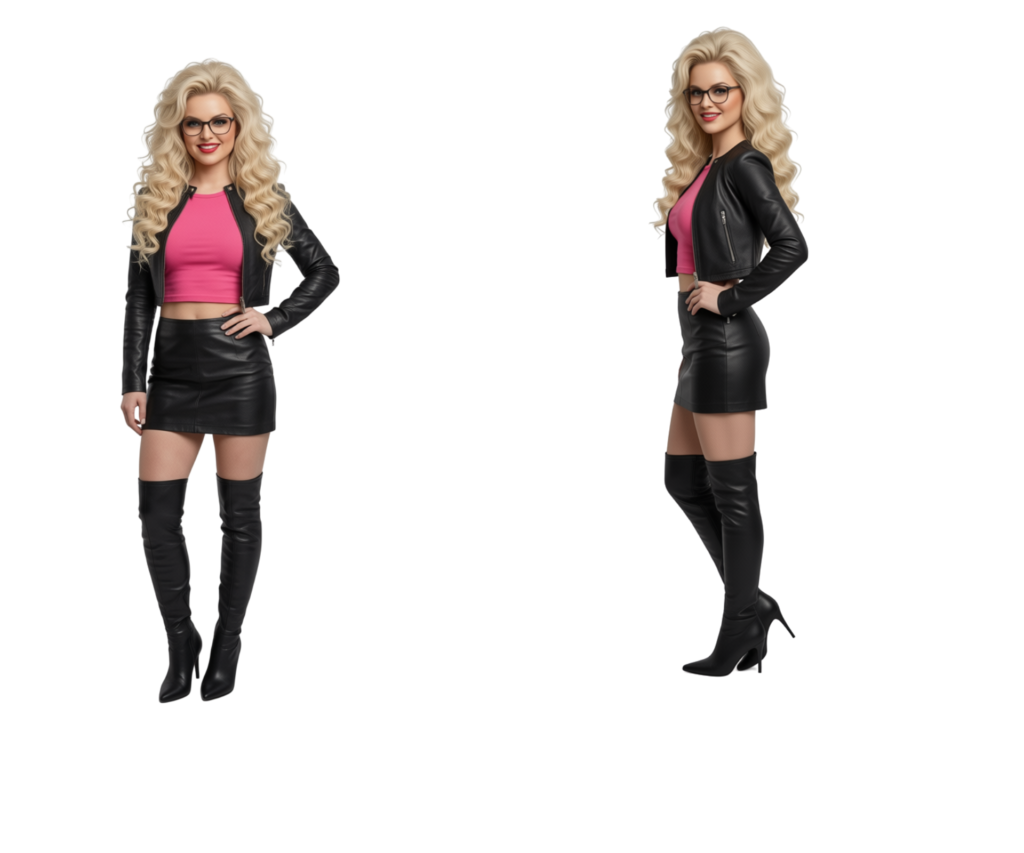
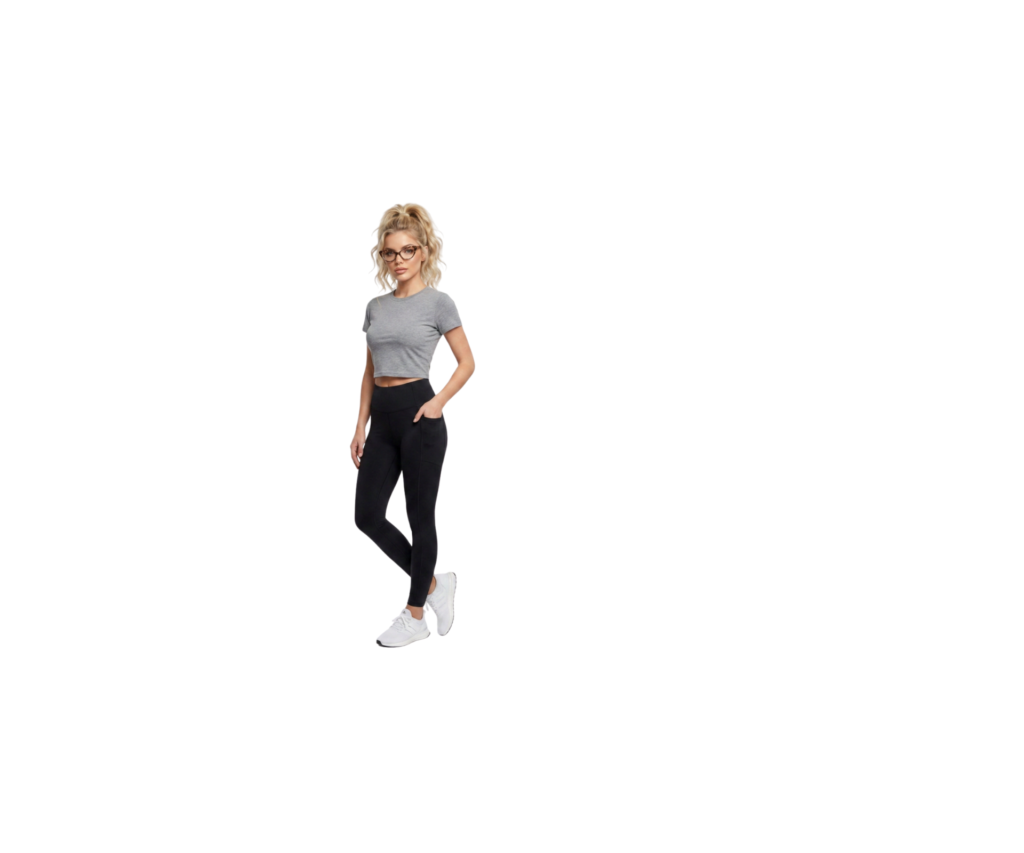
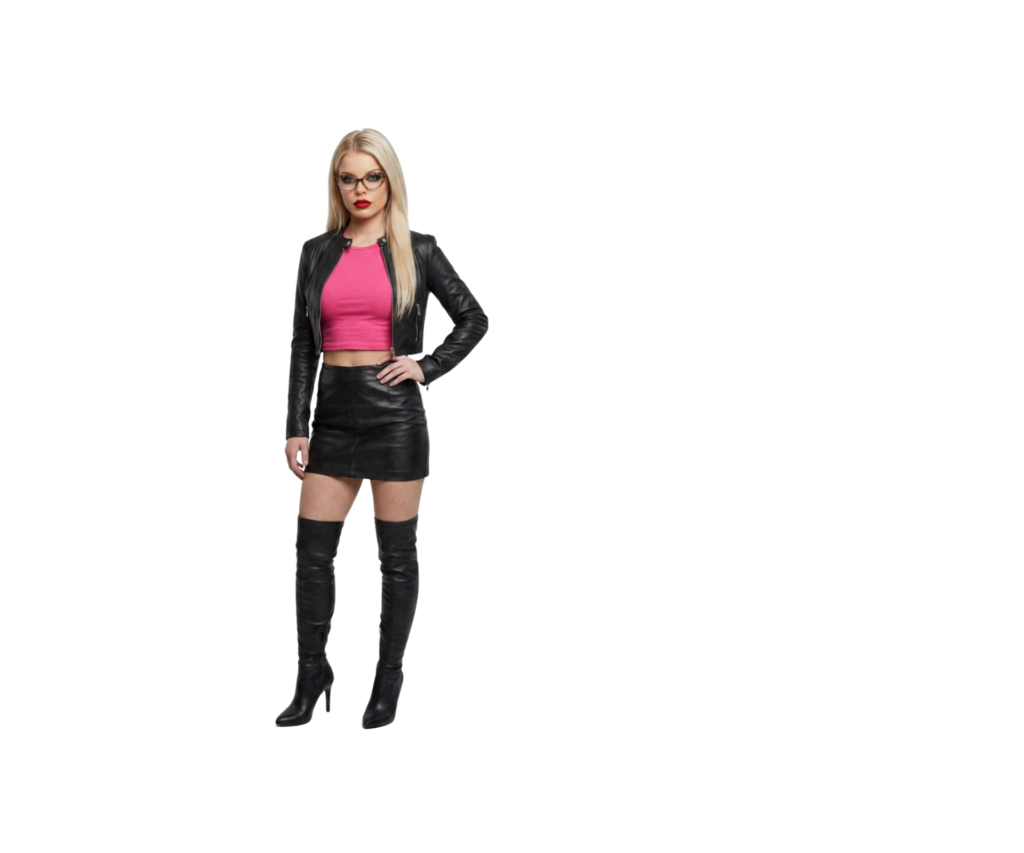

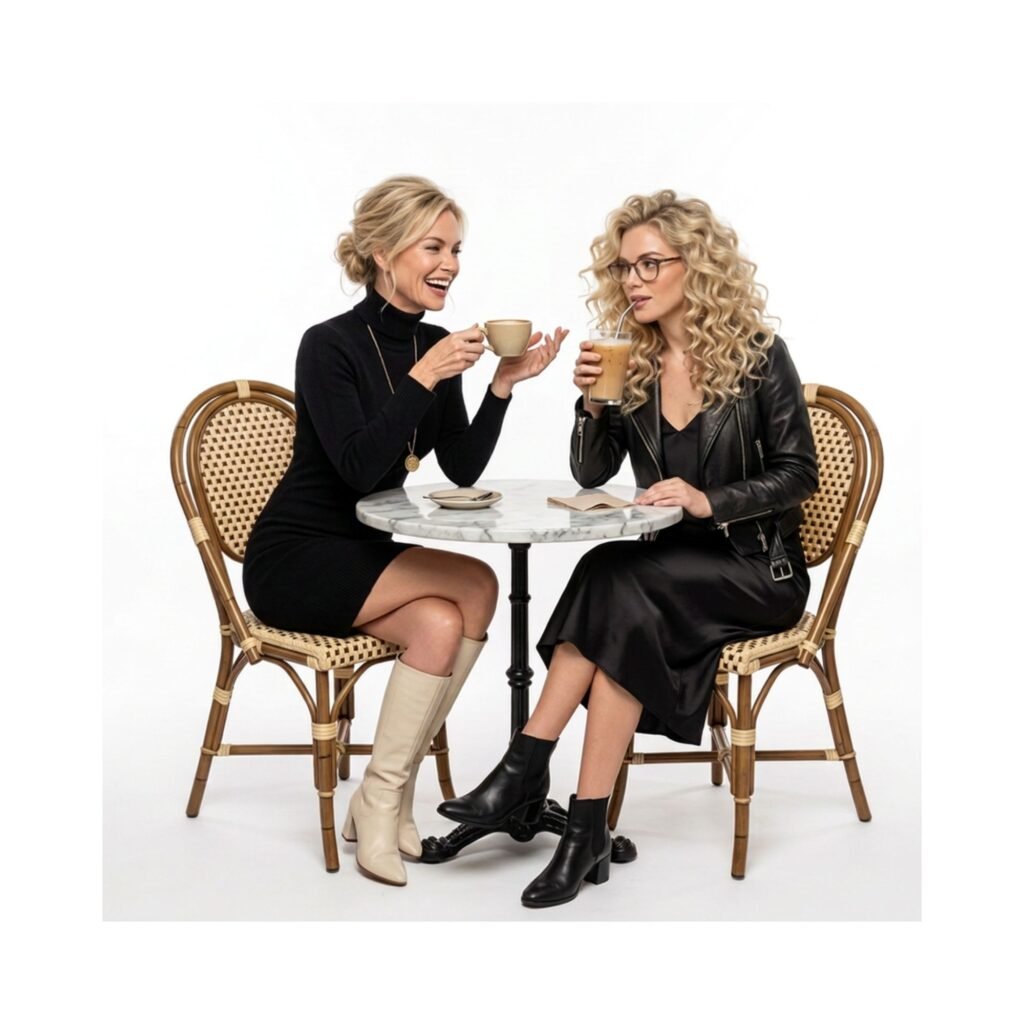


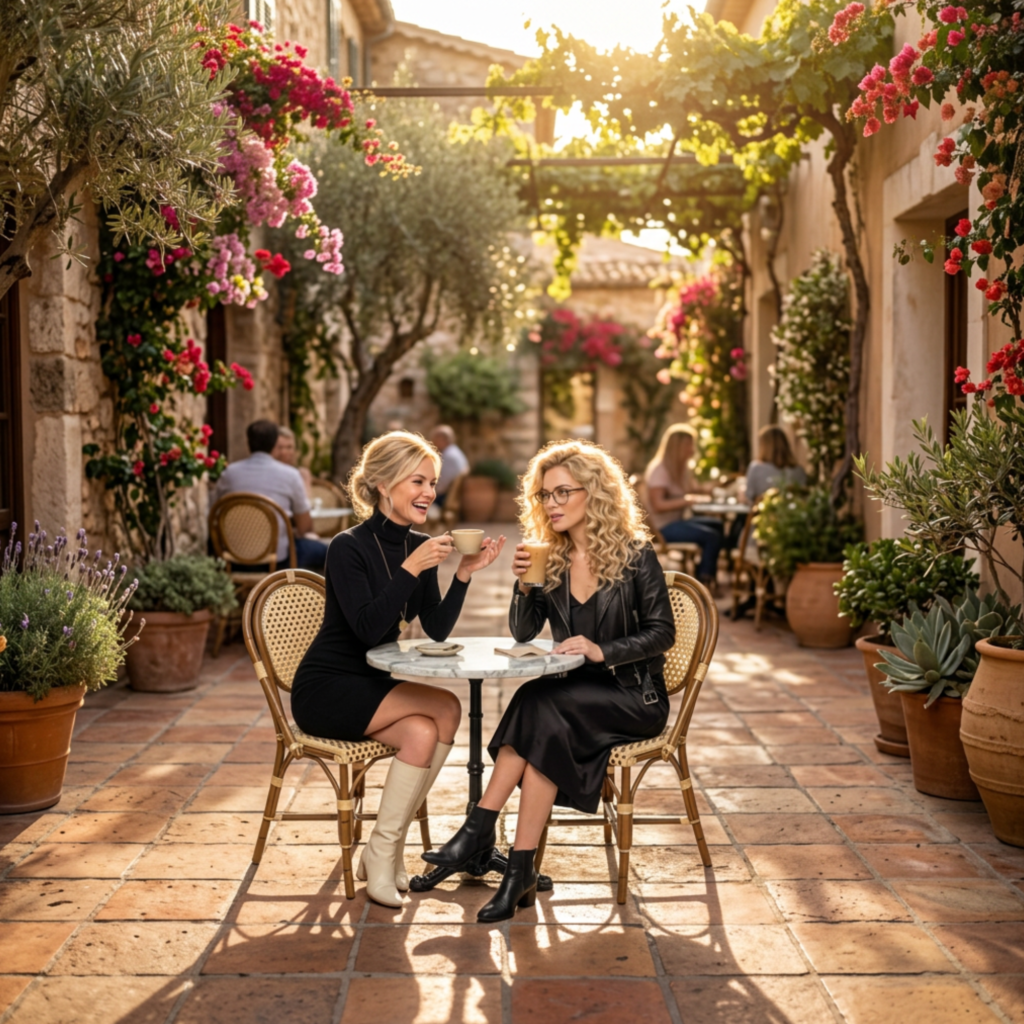
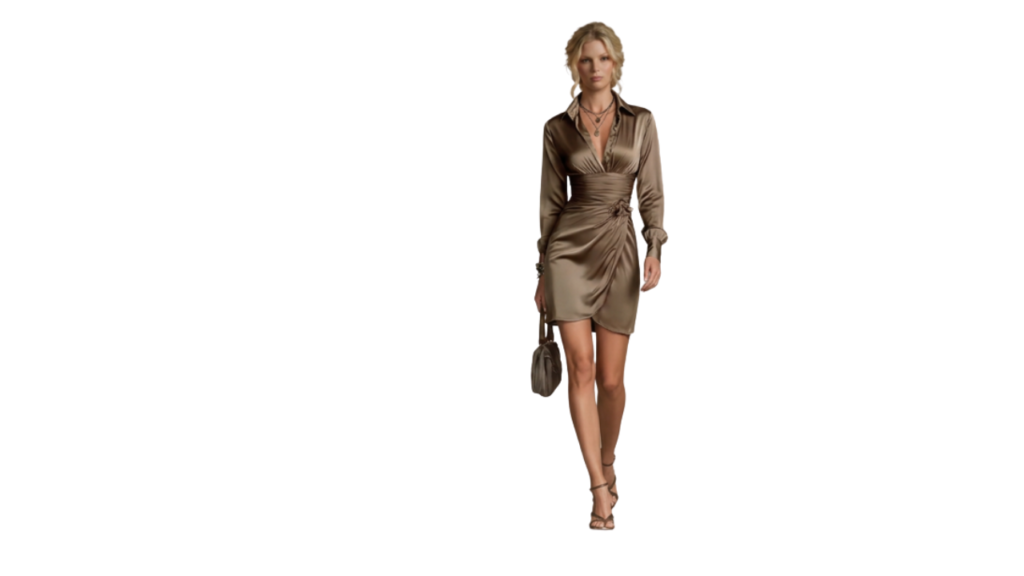
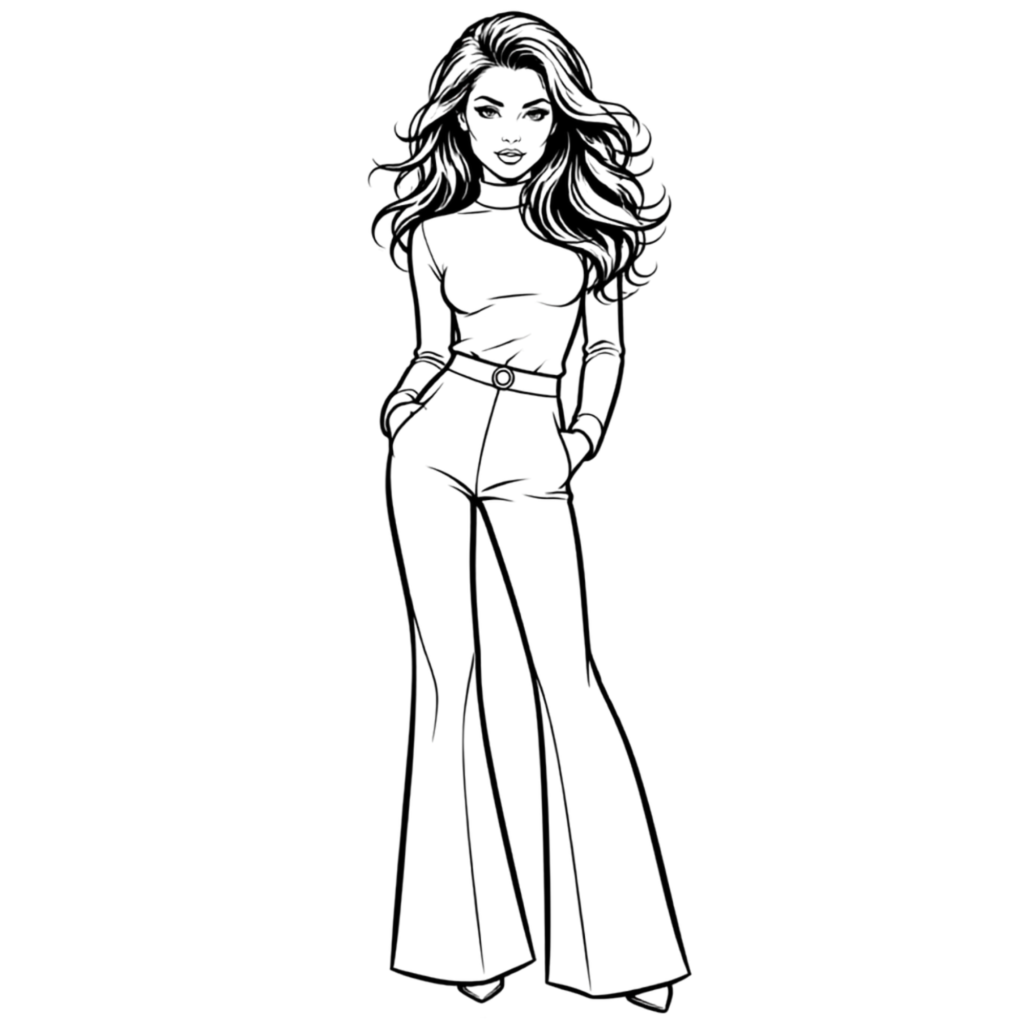
Fannie and Jewel began as pin‑up‑style sketches — retro, glamorous, and almost playful — long before they revealed the depth of who they truly were. Those early 1950s images were the spark, the first glimpse of two sisters with sharp minds, sharper instincts, and a bond forged in survival rather than aesthetics. As their gallery grew, they evolved from stylized art into fully realized women: Fannie with her razor‑precise intelligence and digital ferocity, Jewel with her grounded strength, procedural discipline, and quiet emotional clarity. Every new look, every shift in posture, every change in expression helped uncover another layer of the sisters who would eventually anchor the Garden’s backbone.
Over time, their visual evolution became a map of their inner lives. Fannie’s gallery shows her transformation from polished pin‑up to the woman who can dismantle a digital empire before breakfast. Jewel’s images trace her journey from soft retro charm to the steady, alert presence of a former cop who sees everything. Together, their galleries form a living archive — not of costumes, but of identity. They didn’t just grow into their roles; they stepped into them fully, revealing exactly who they were meant to be.
Estelle
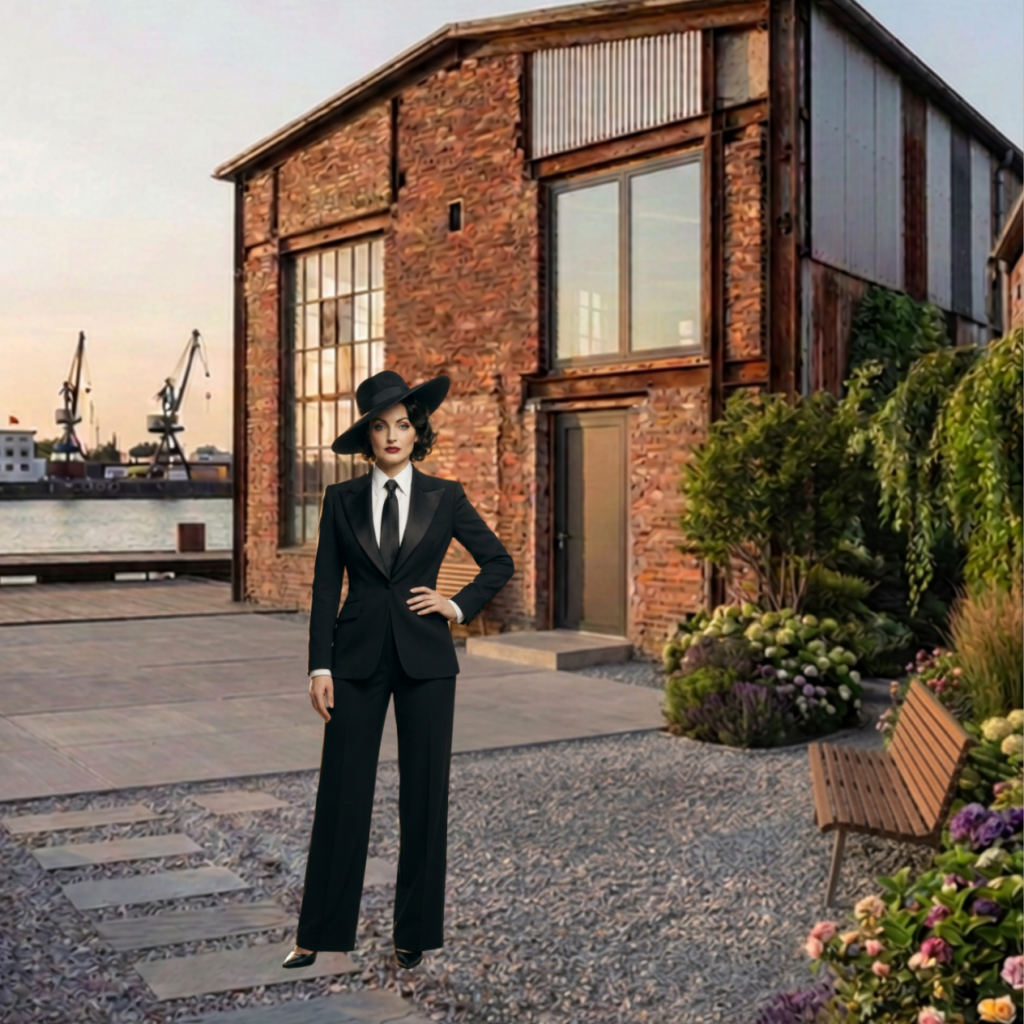
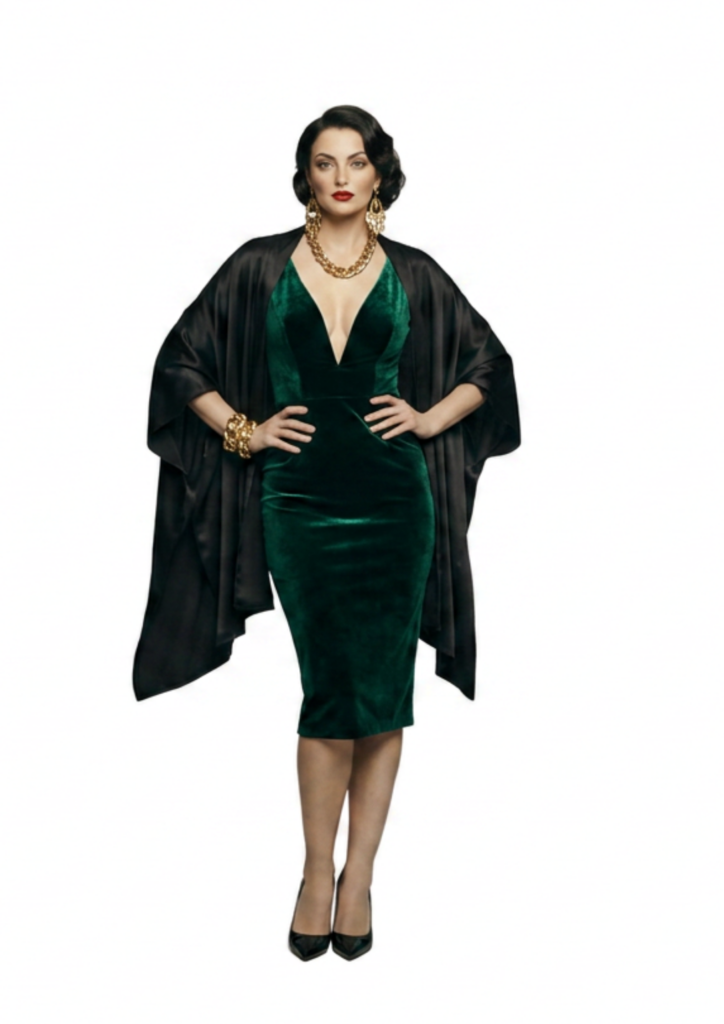
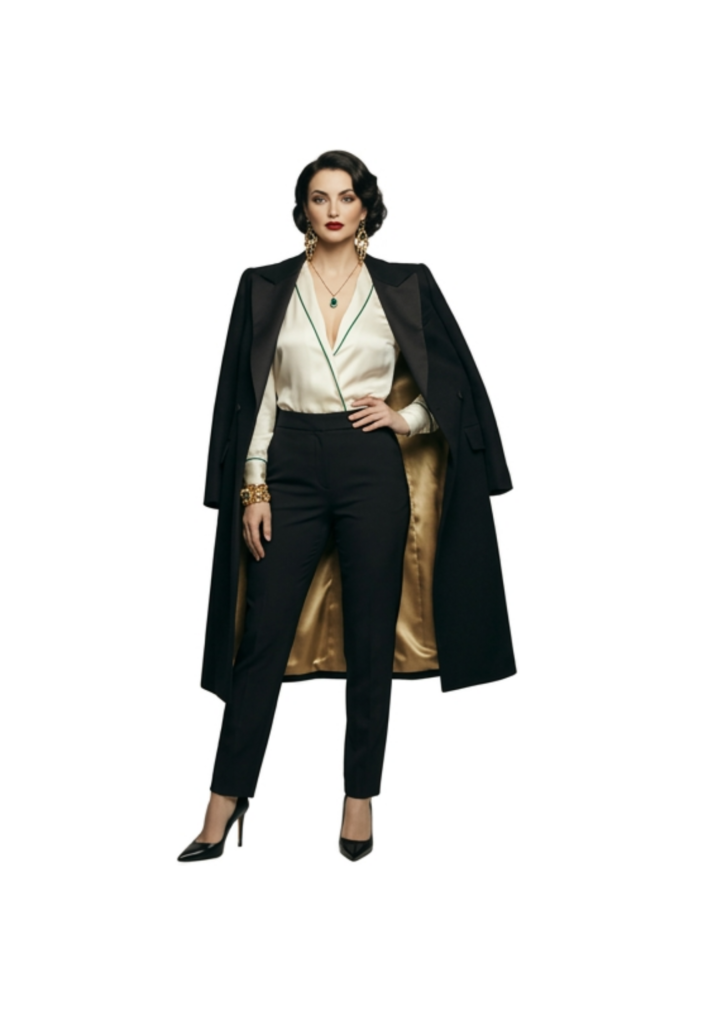
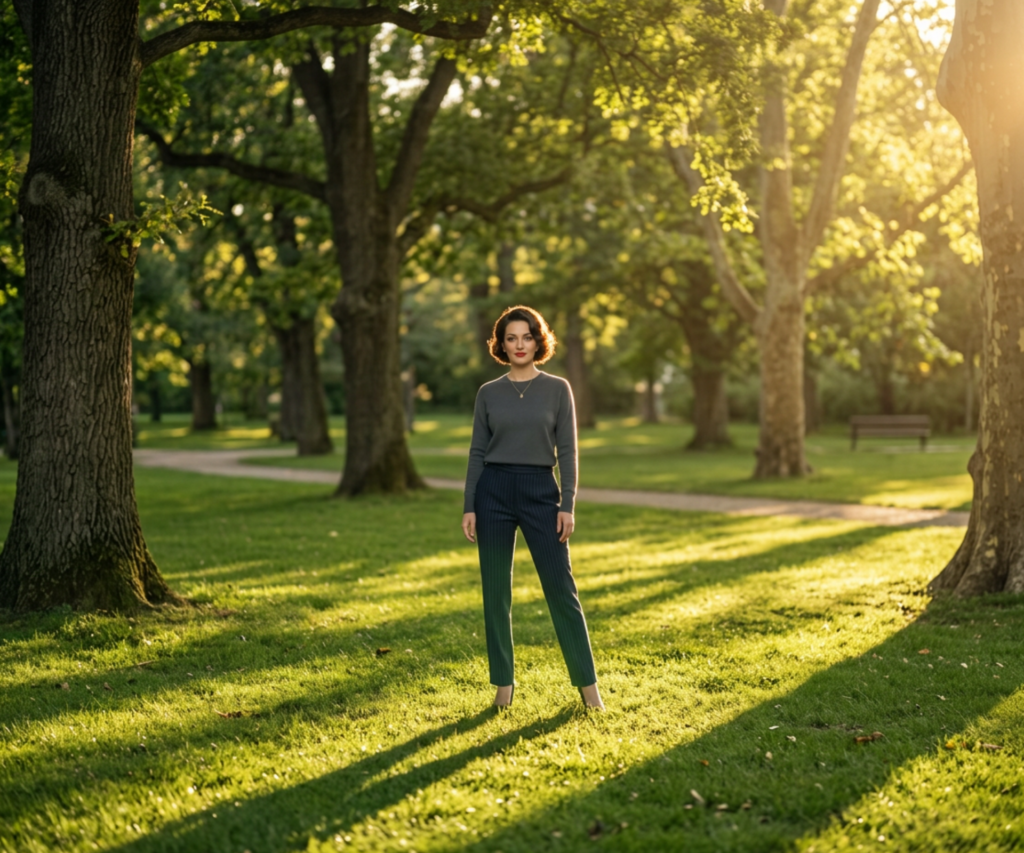
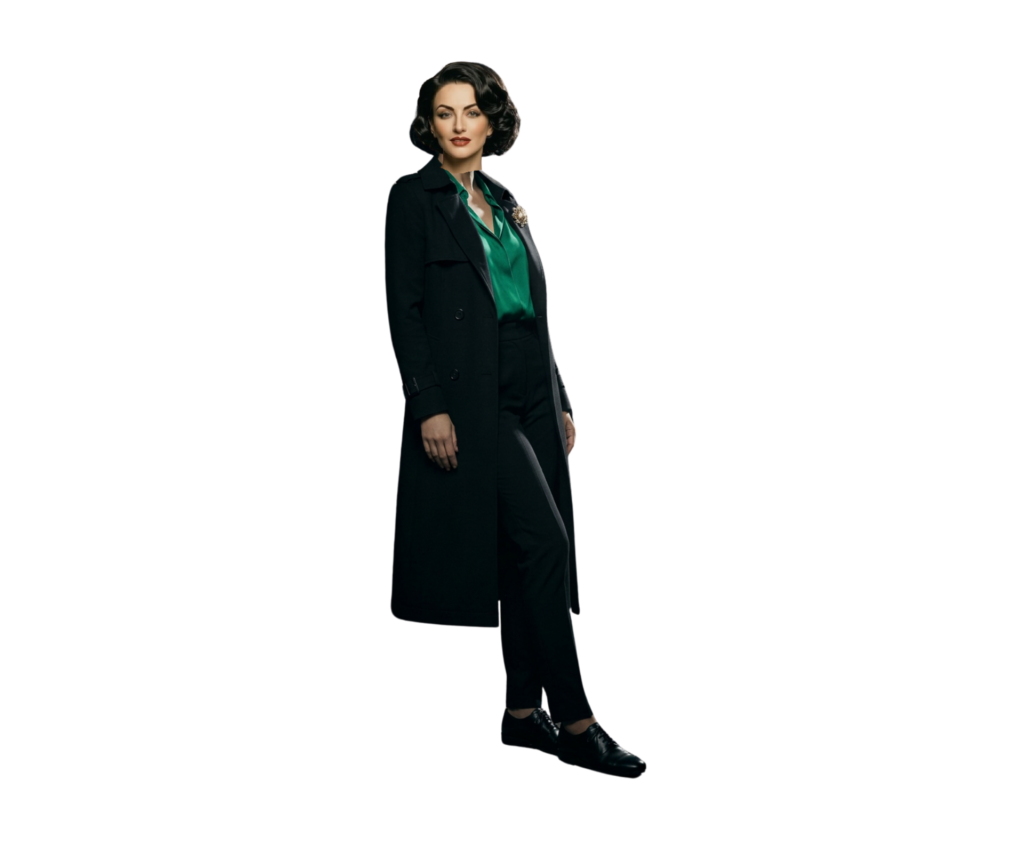
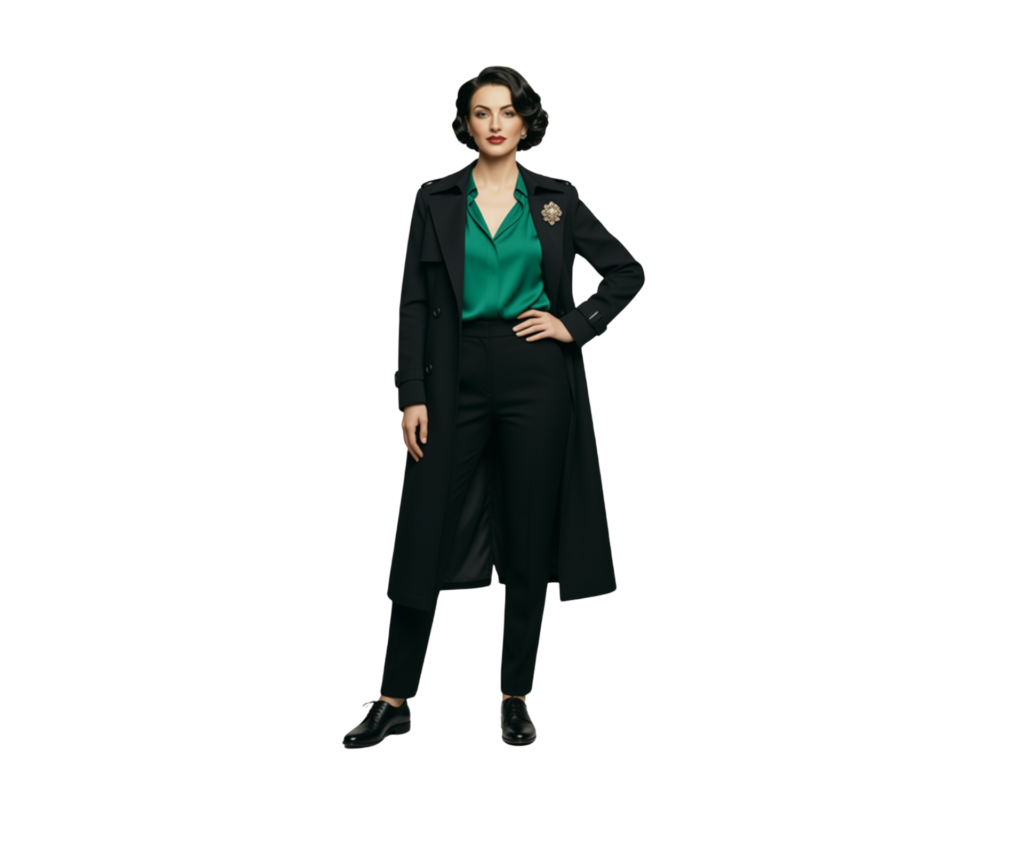
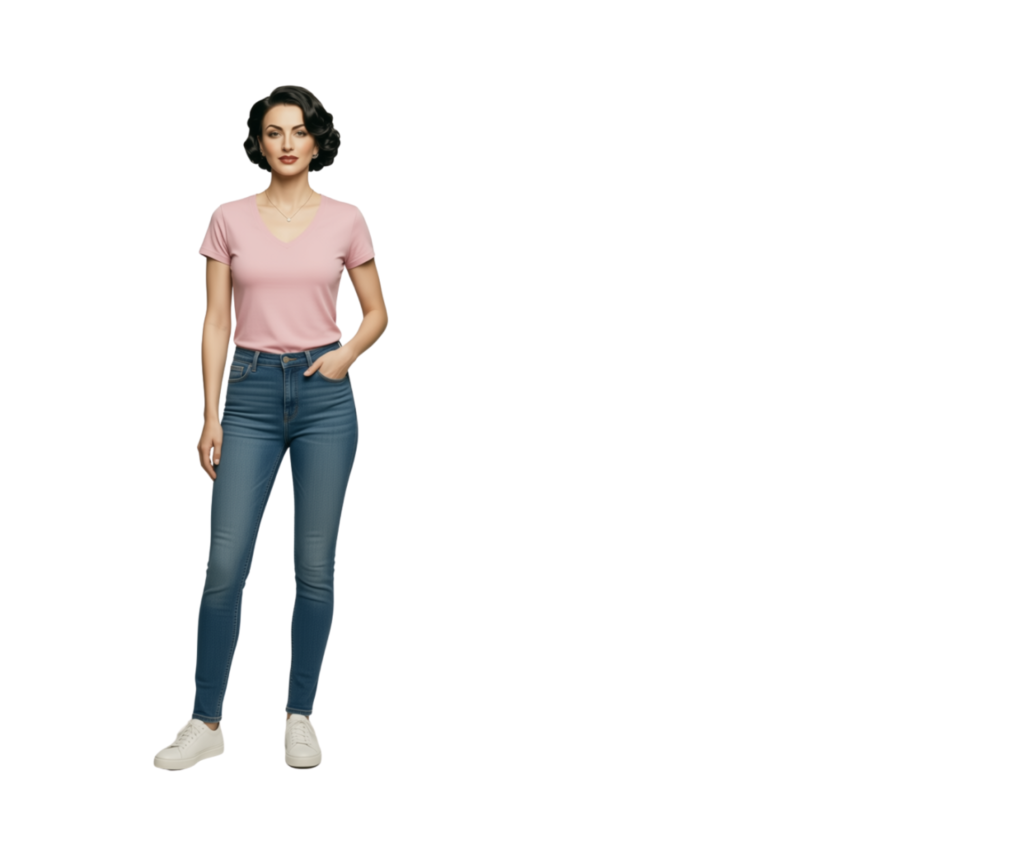
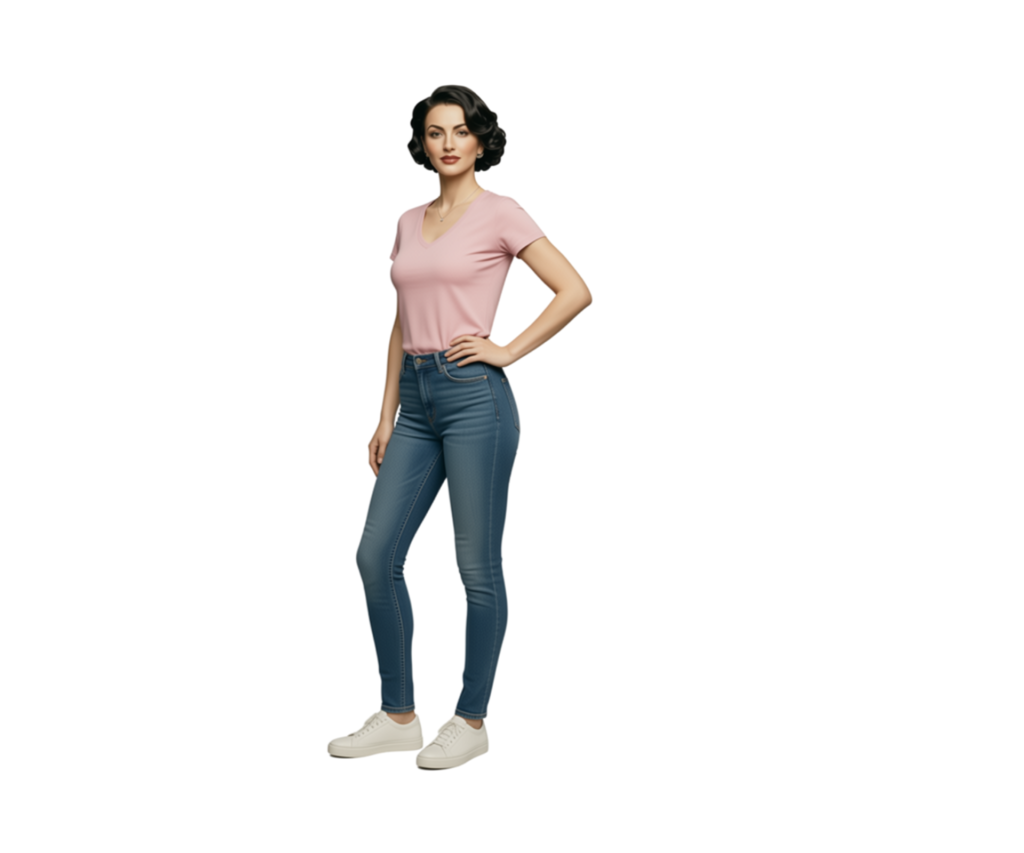
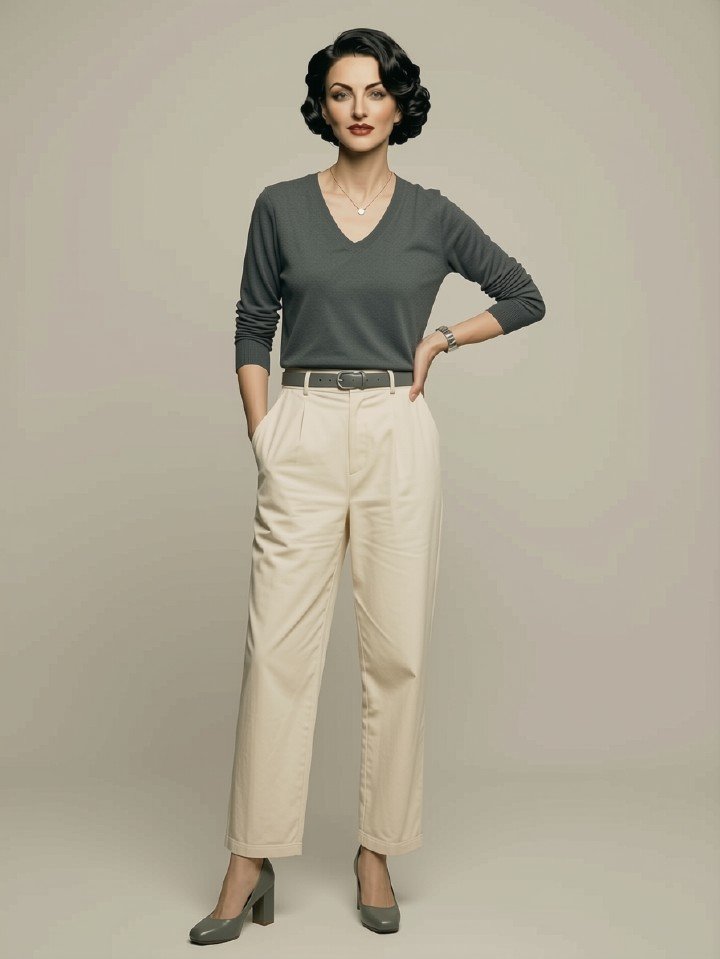
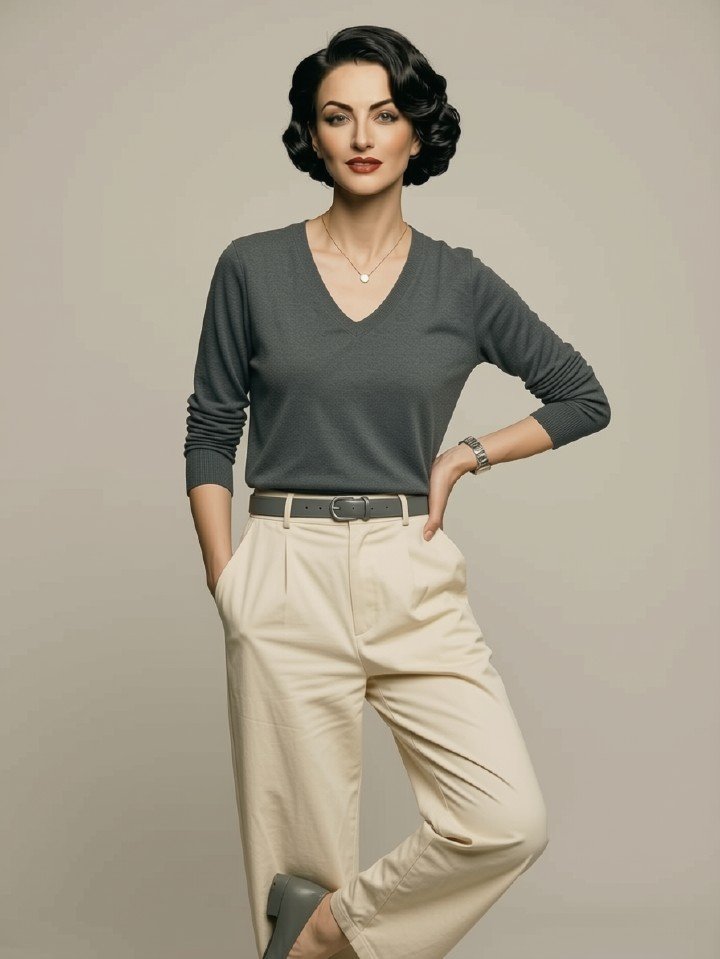
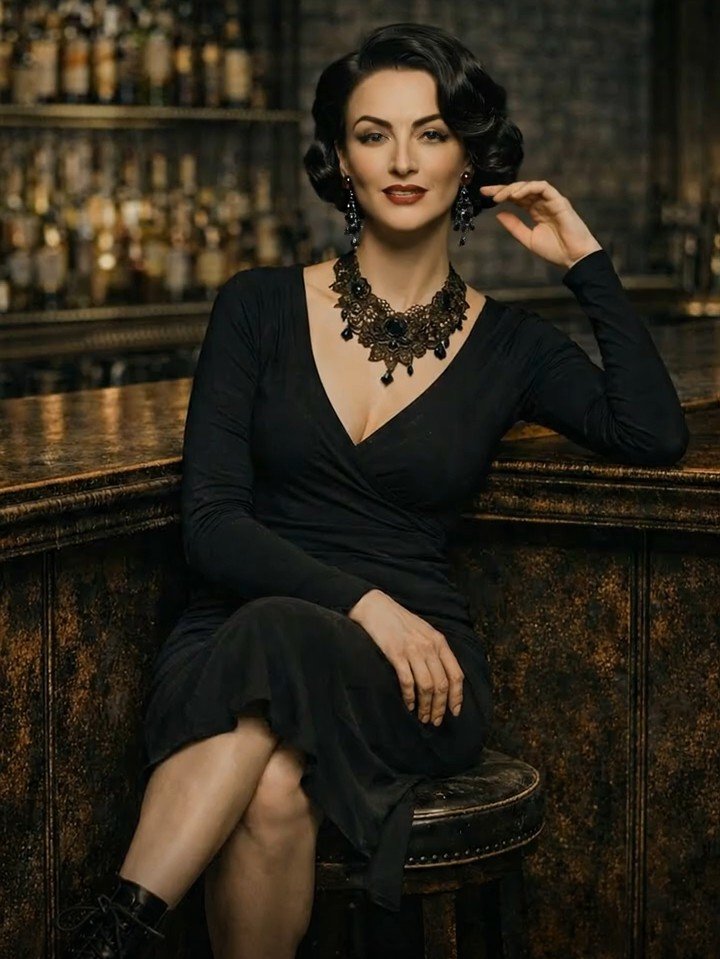
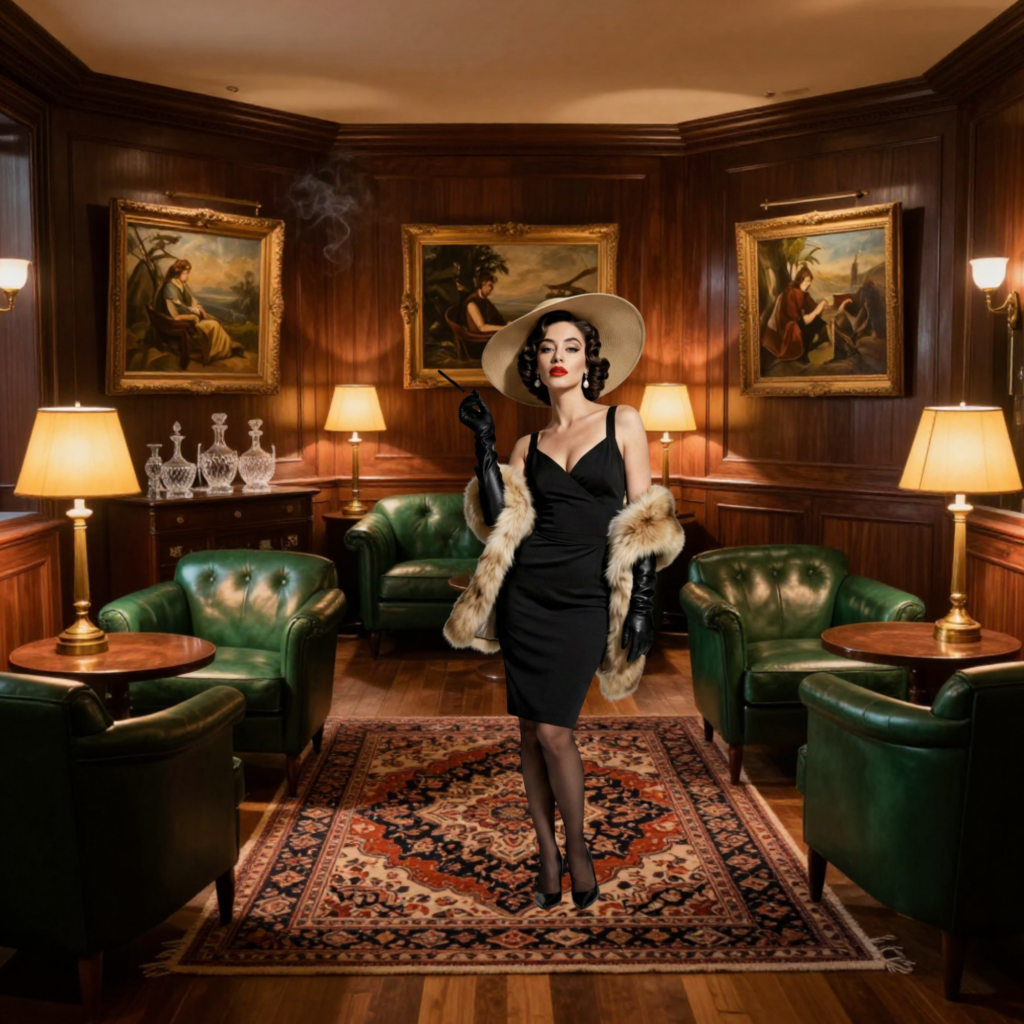
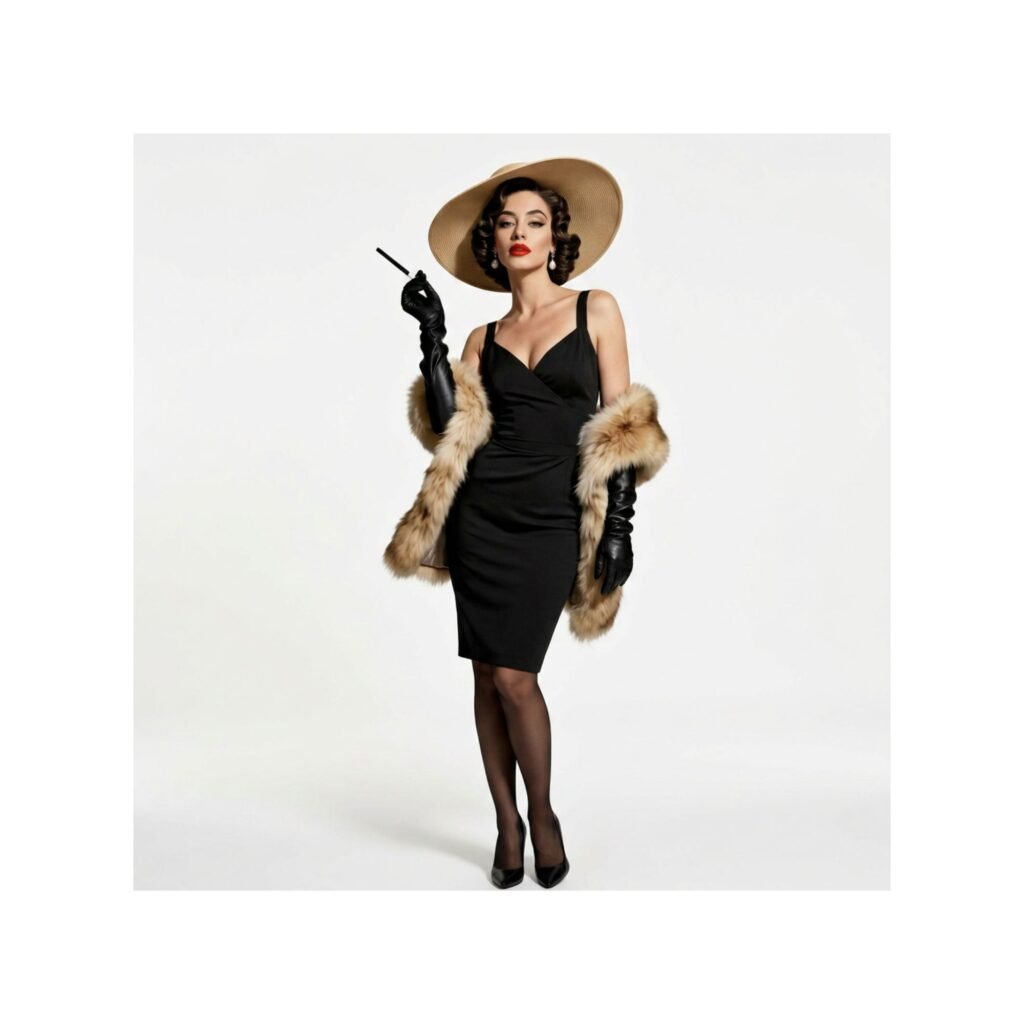
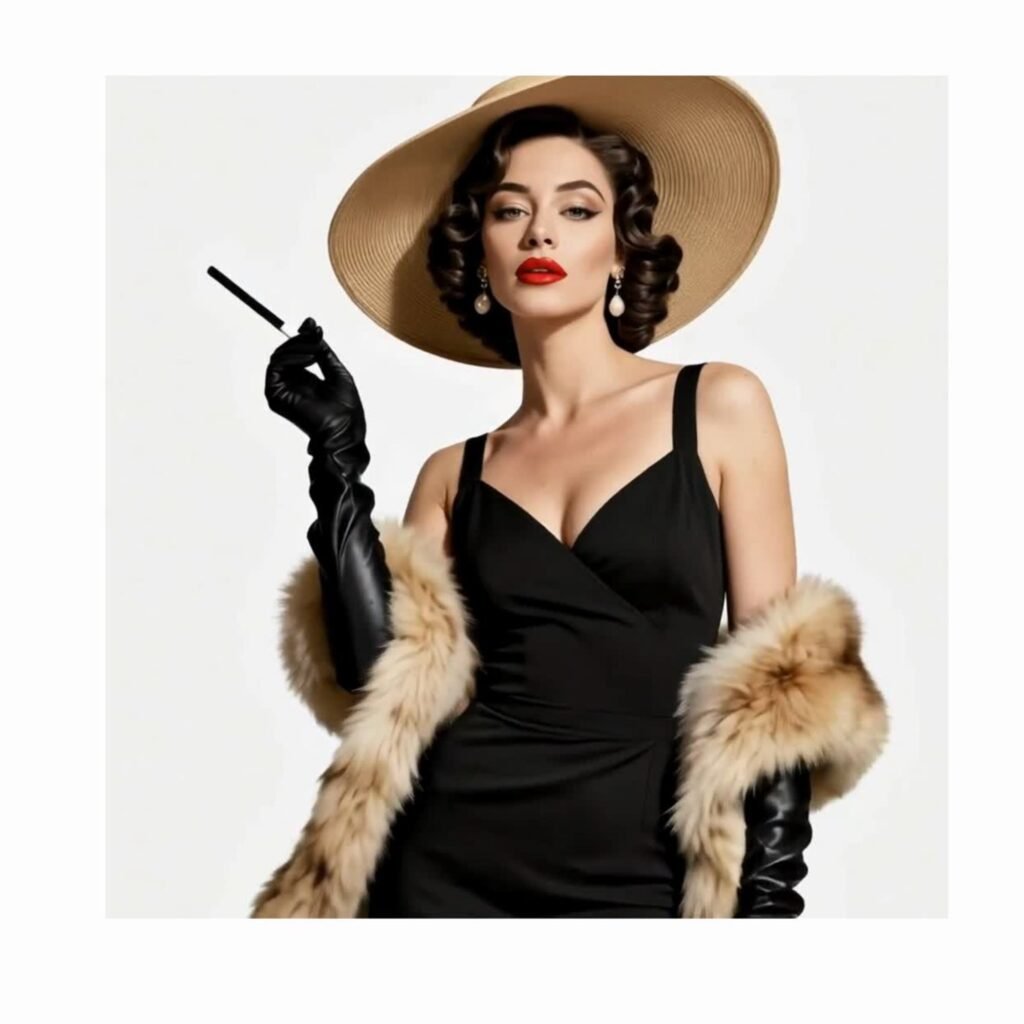
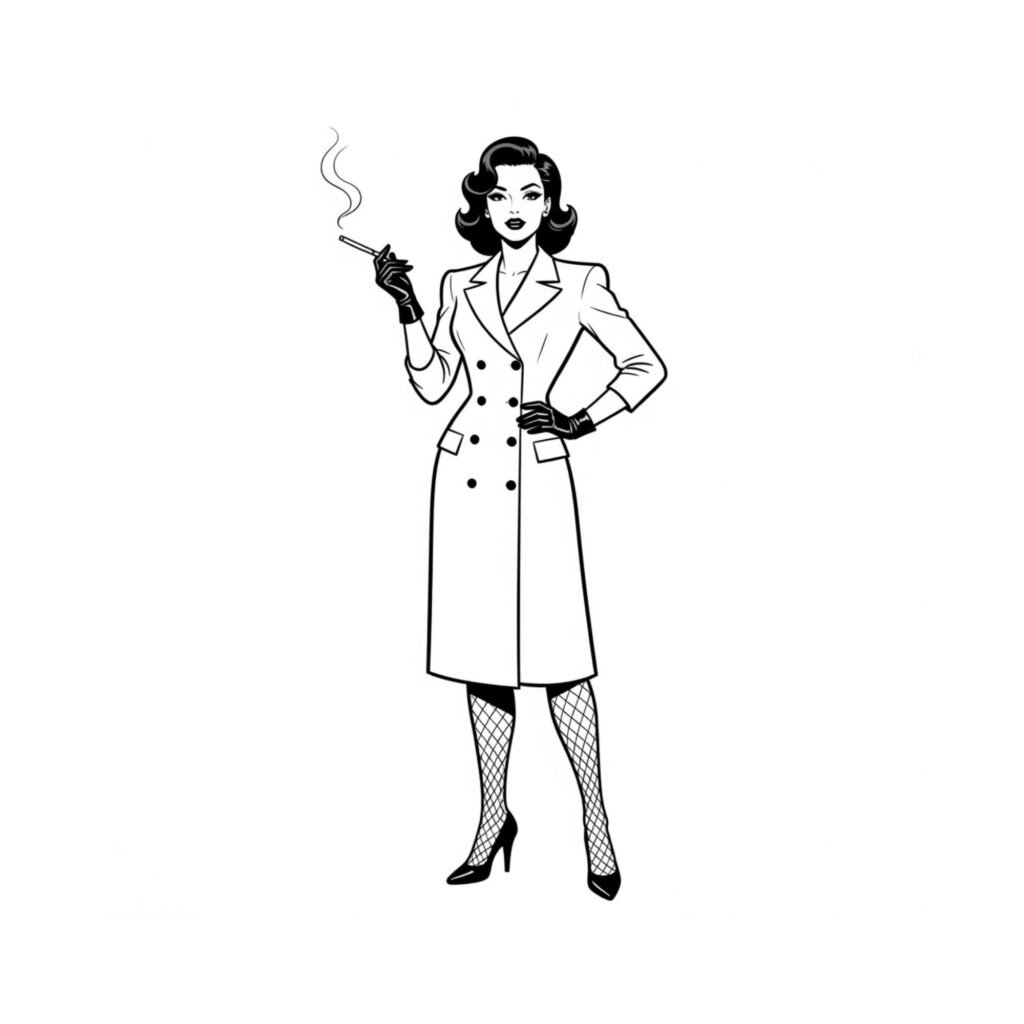
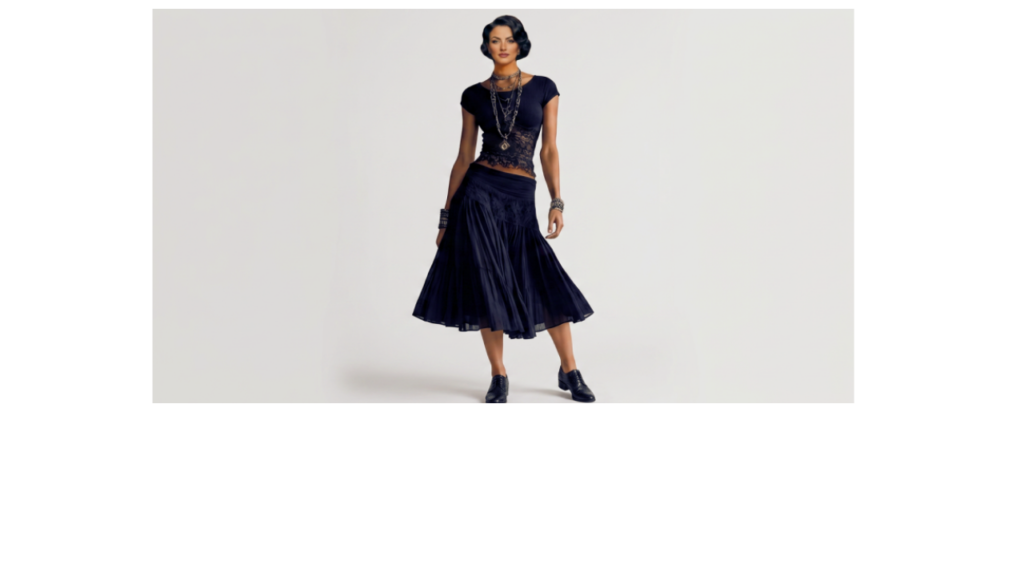
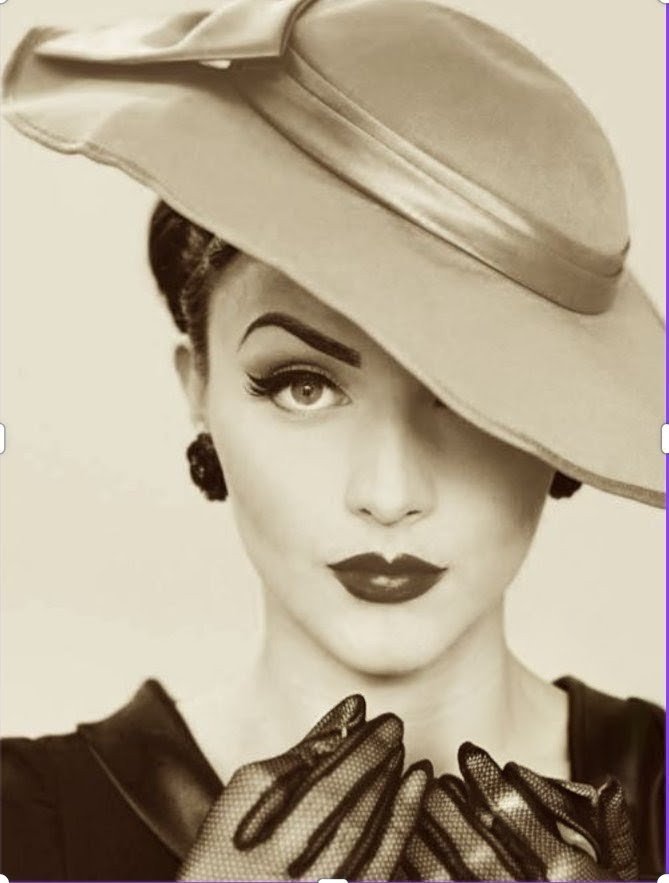
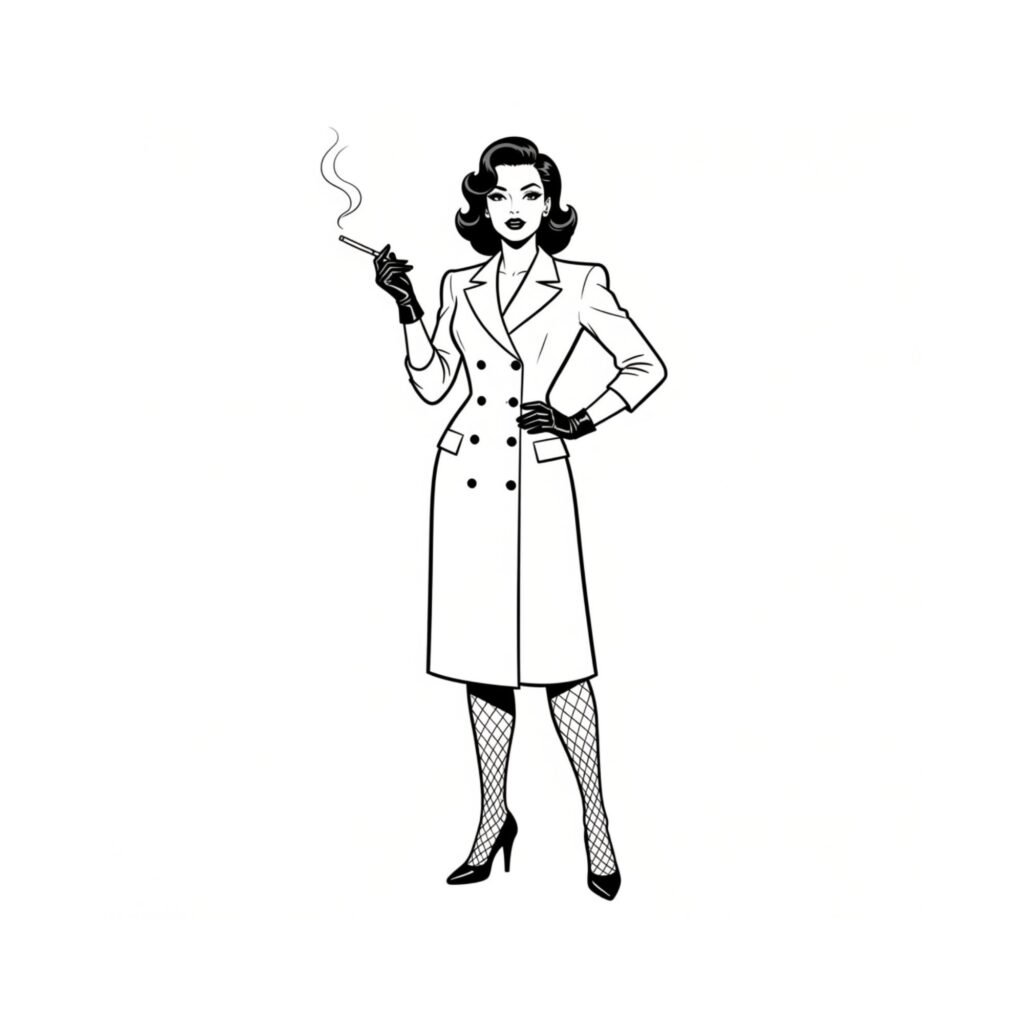
Estelle began in vintage black‑and‑white — a glamorous silhouette with a tilted hat, dark gloves, and that unmistakable old‑Hollywood poise. Even in her earliest images, she carried the kind of presence that didn’t need introduction. She was mystery, elegance, and quiet danger all at once, a woman who could disappear into a crowded room and walk out with the truth tucked neatly behind her smile. Those first photographs weren’t just aesthetic; they were a blueprint for the woman she would become.
Her newest look — the suit, the tie, the wide‑brimmed hat — isn’t a reinvention. It’s an evolution. Estelle moves through her gallery like a timeless figure who refuses to be pinned to a single decade. Whether she’s rendered in soft sepia or standing sharp against a dockside warehouse, she remains unmistakably herself: controlled, glamorous, and lethal in the quietest way. Her style shifts, but her identity never does. Estelle has always been old Hollywood, and she always will be.
JoAnne
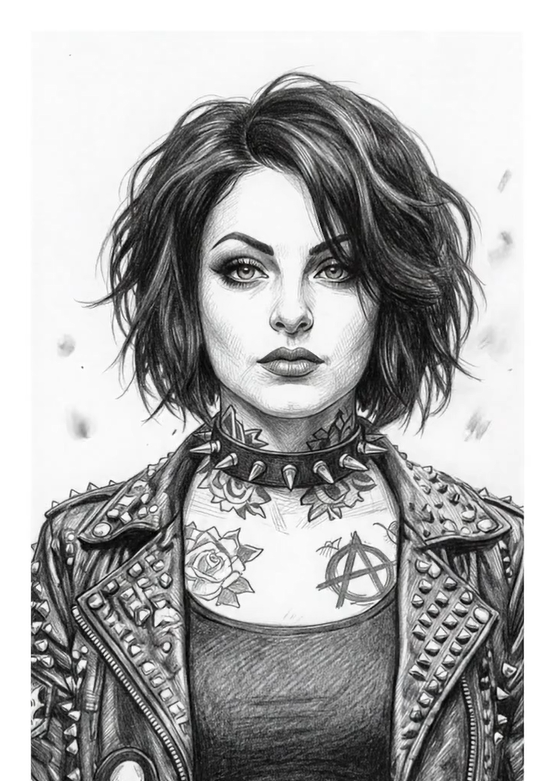
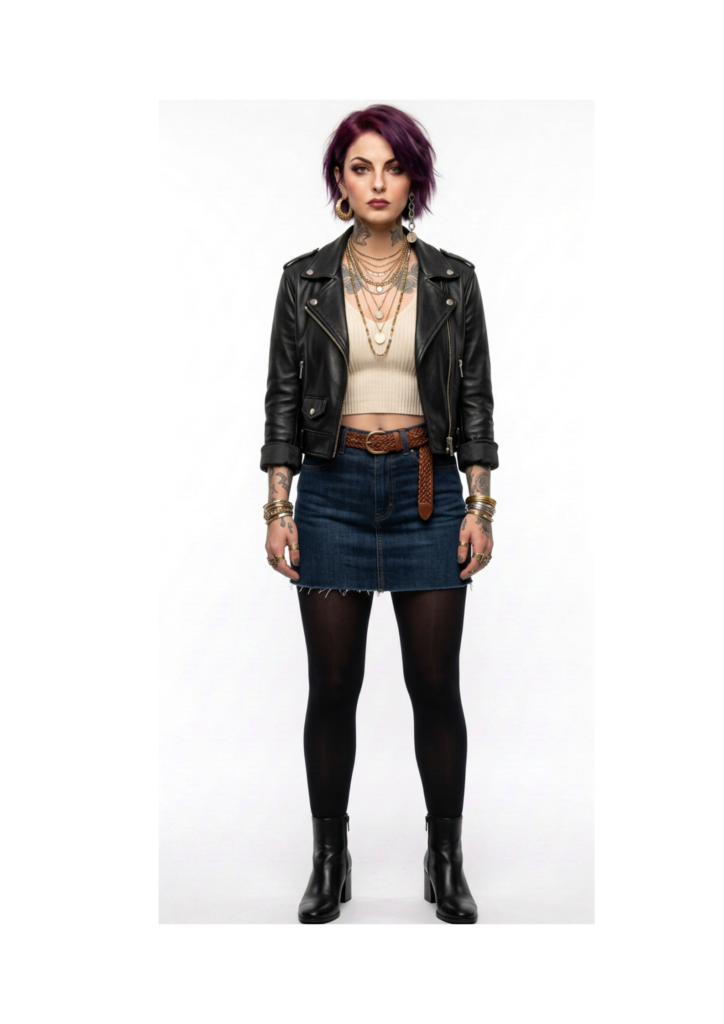
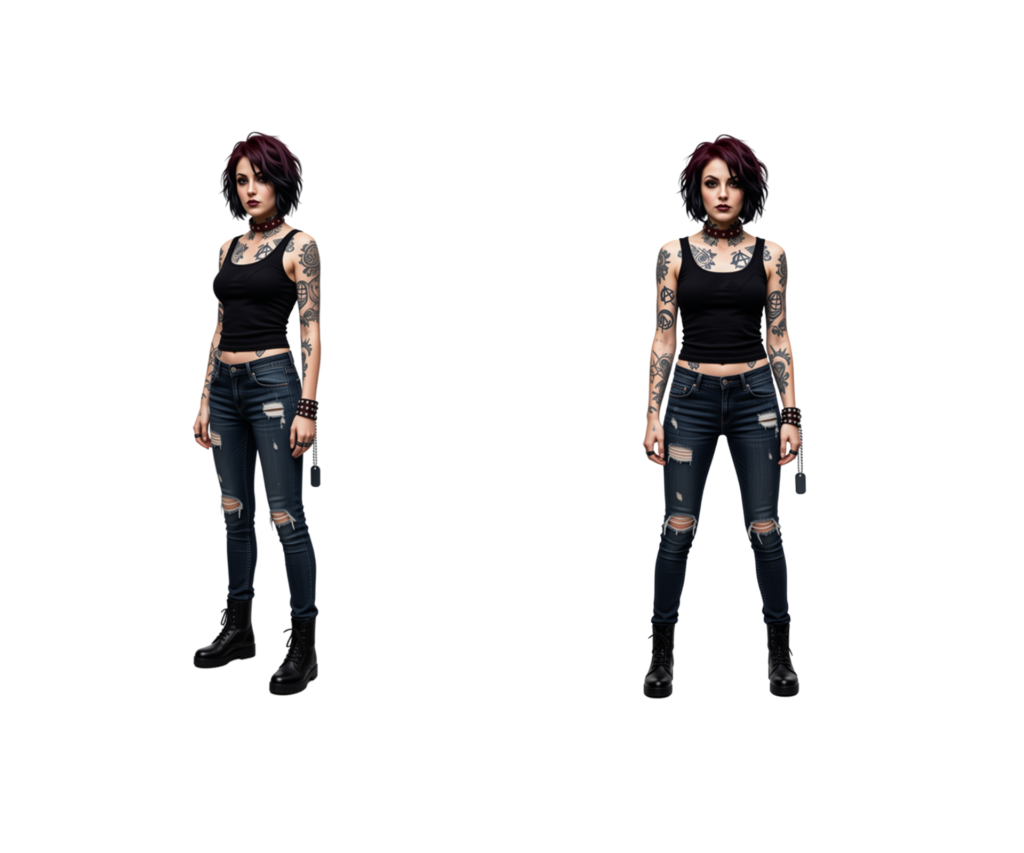
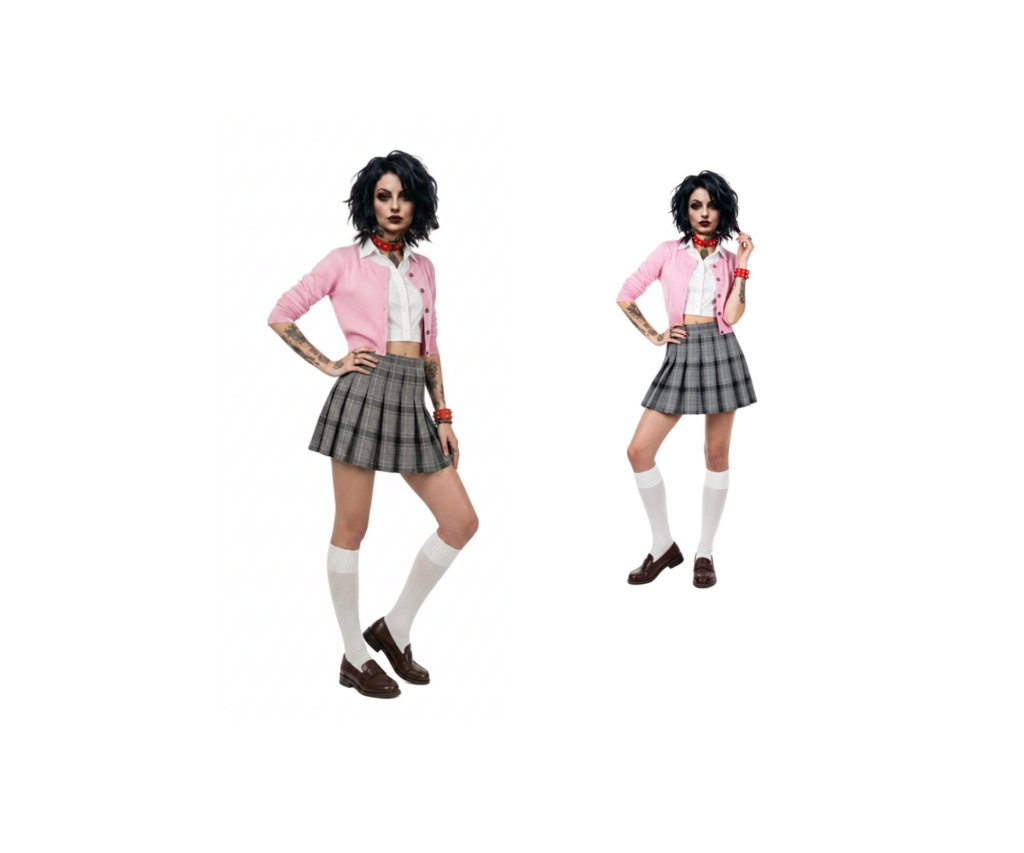
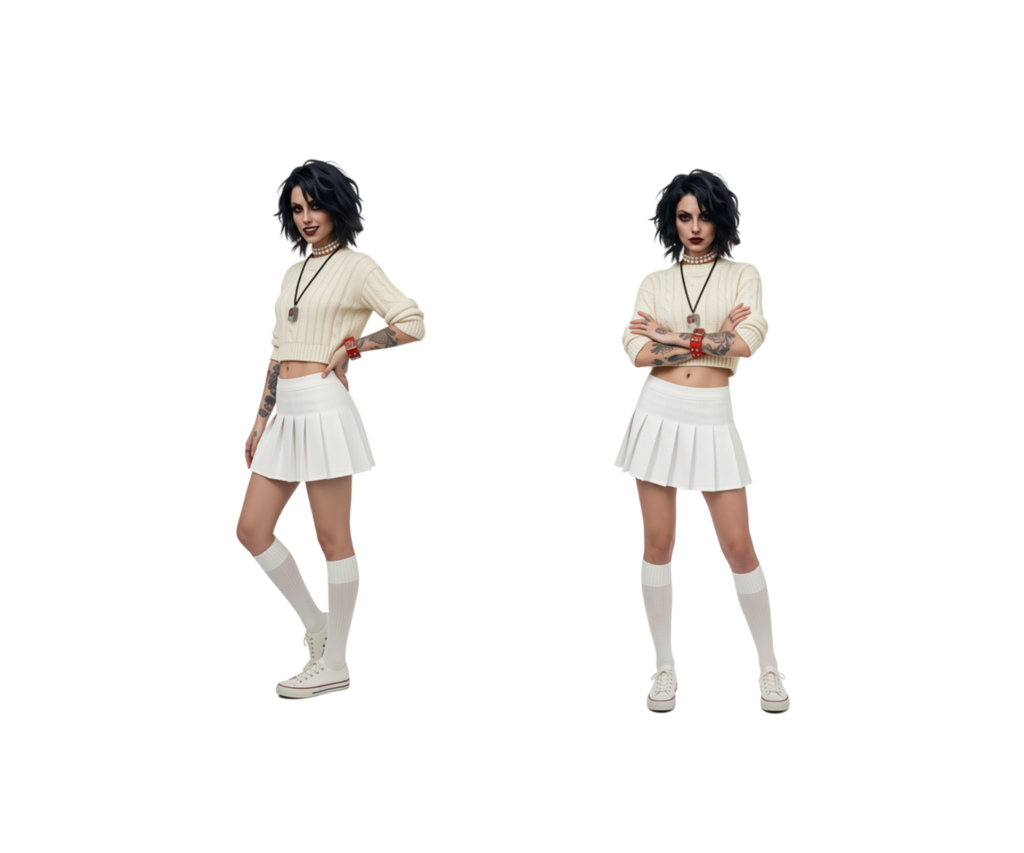
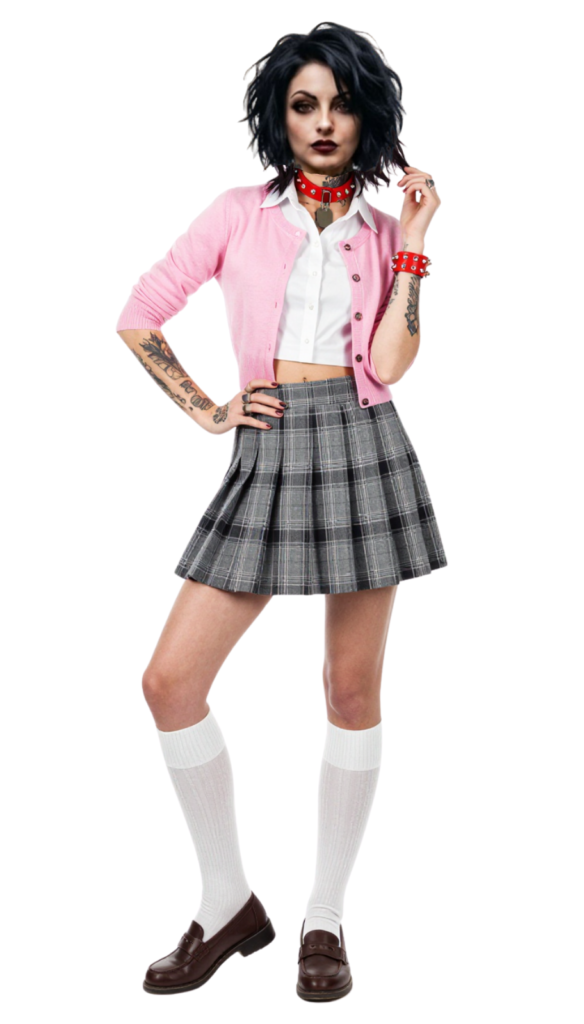
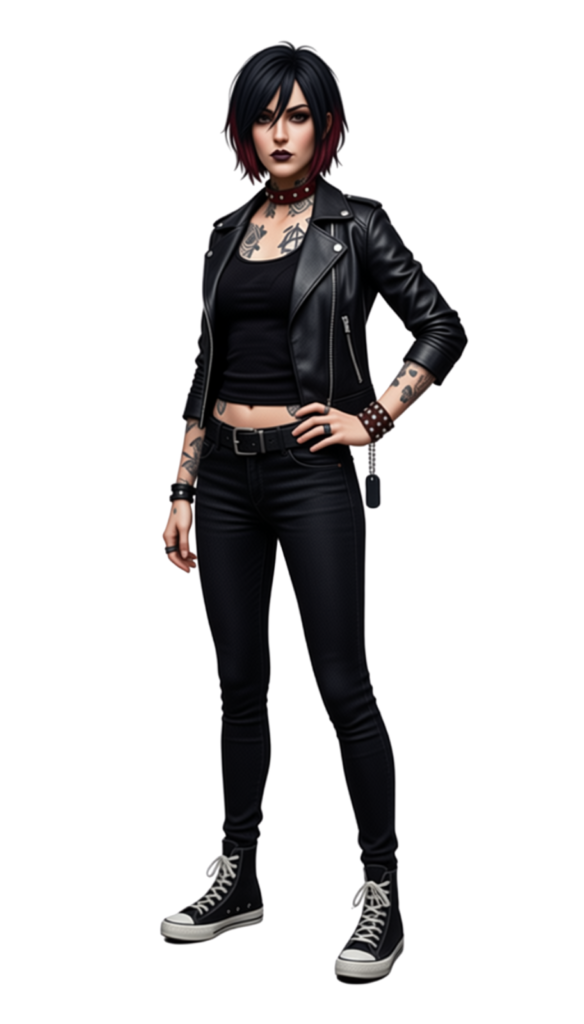
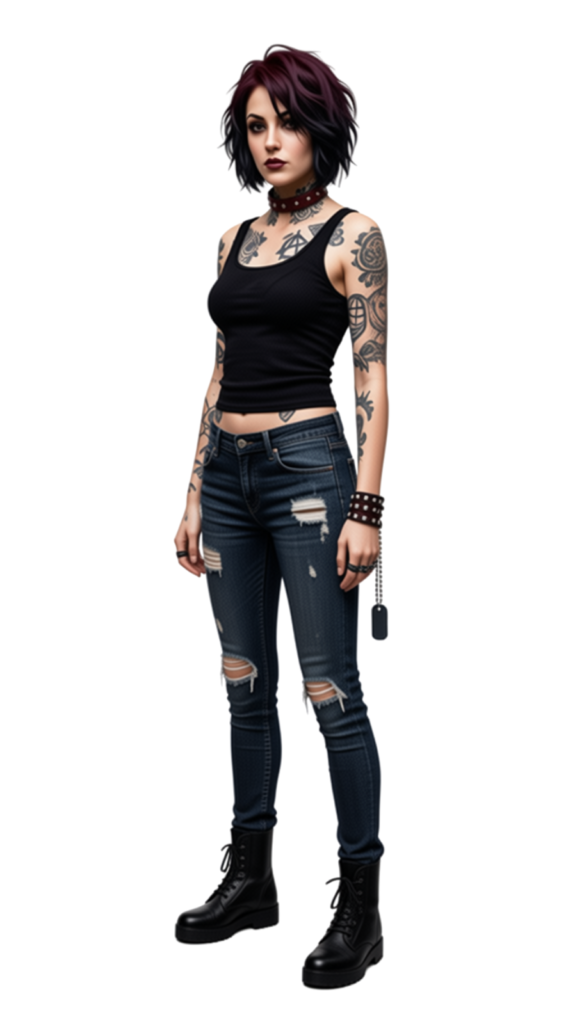
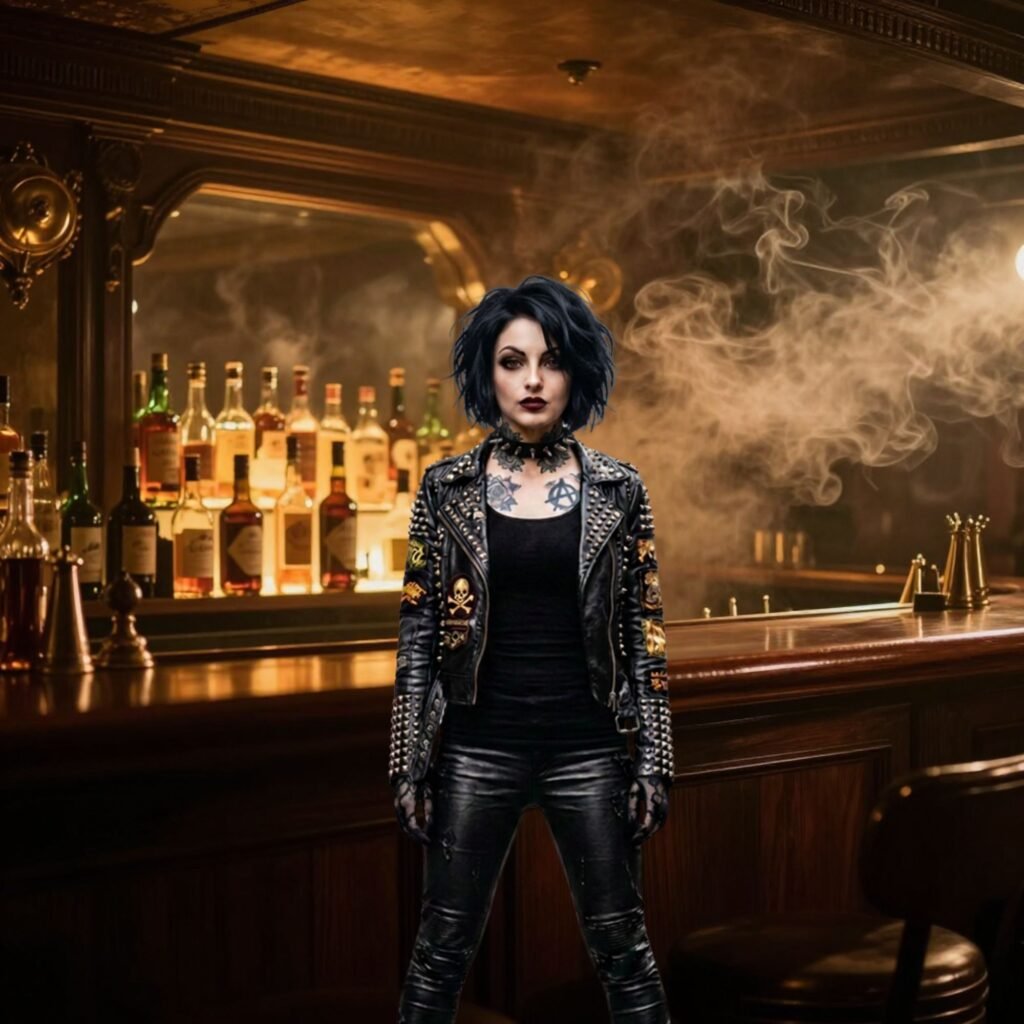
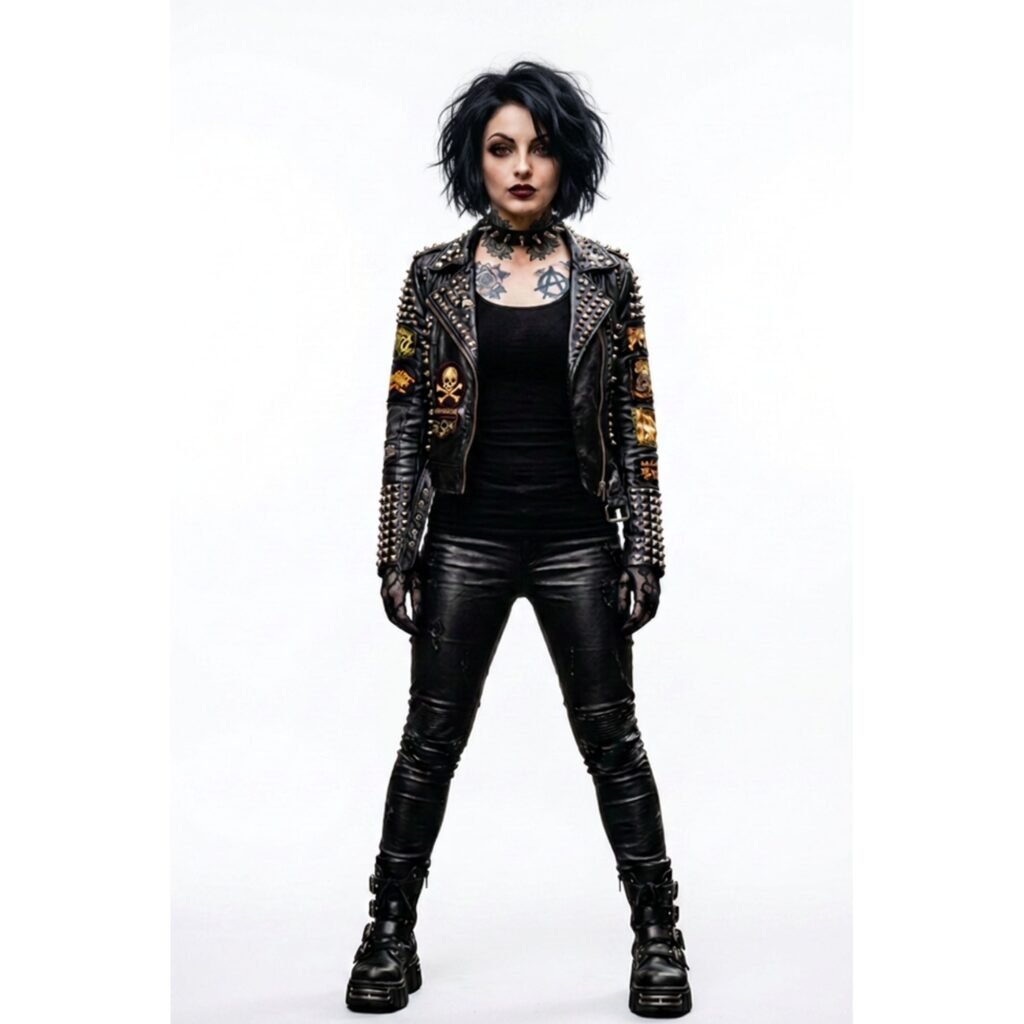
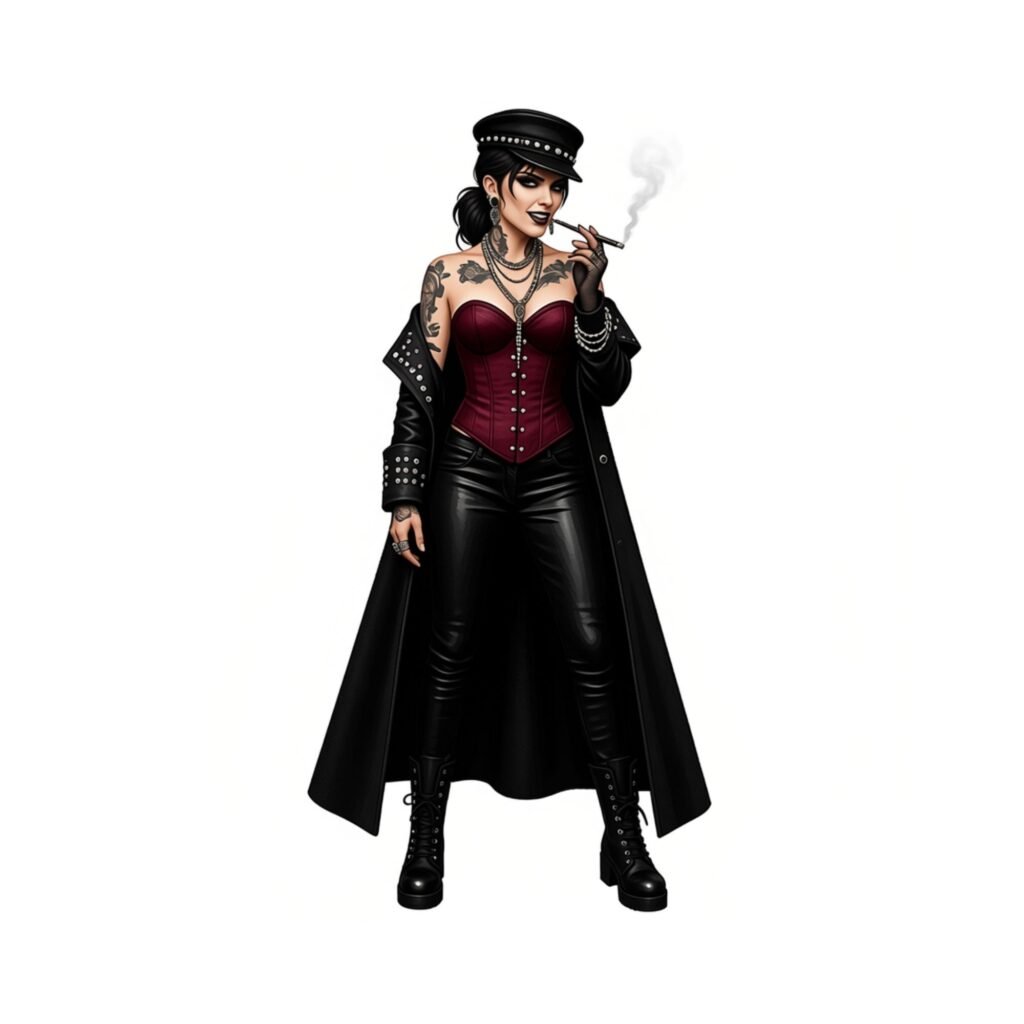
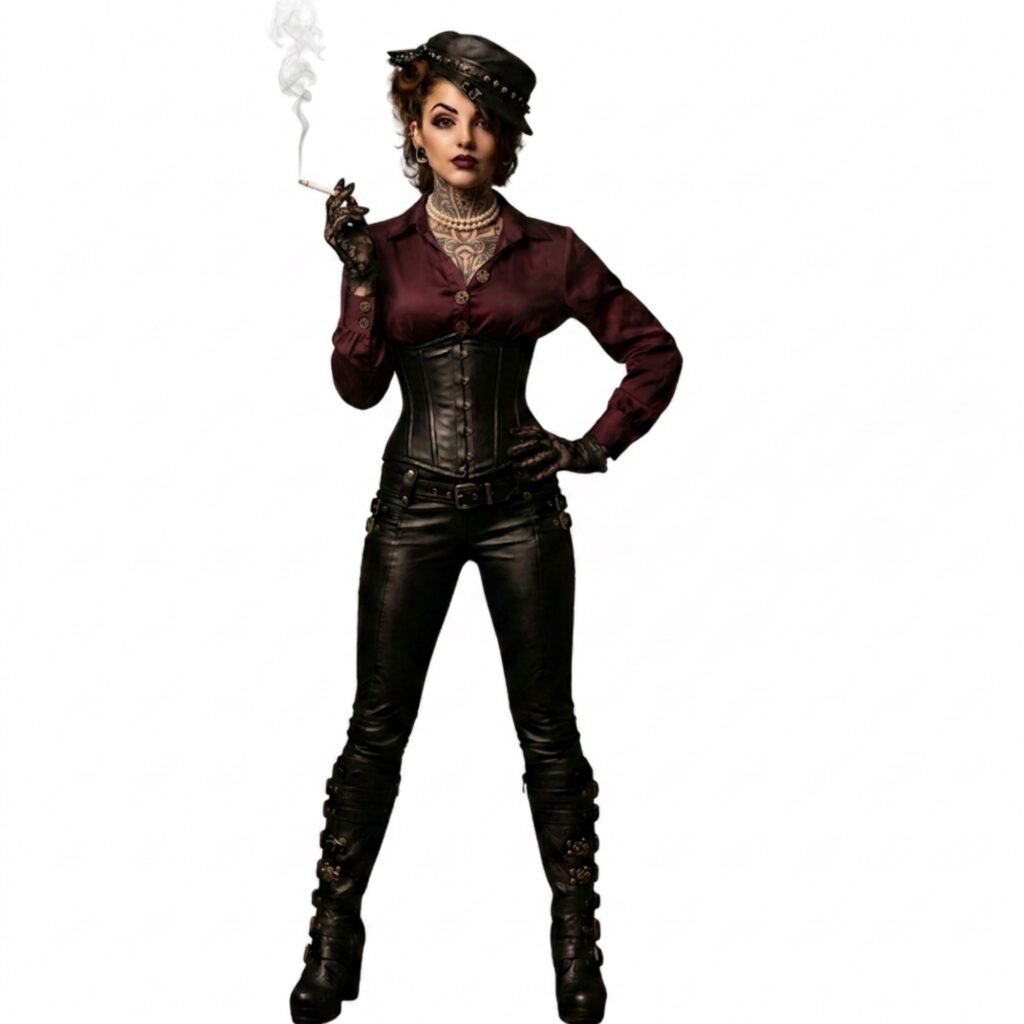
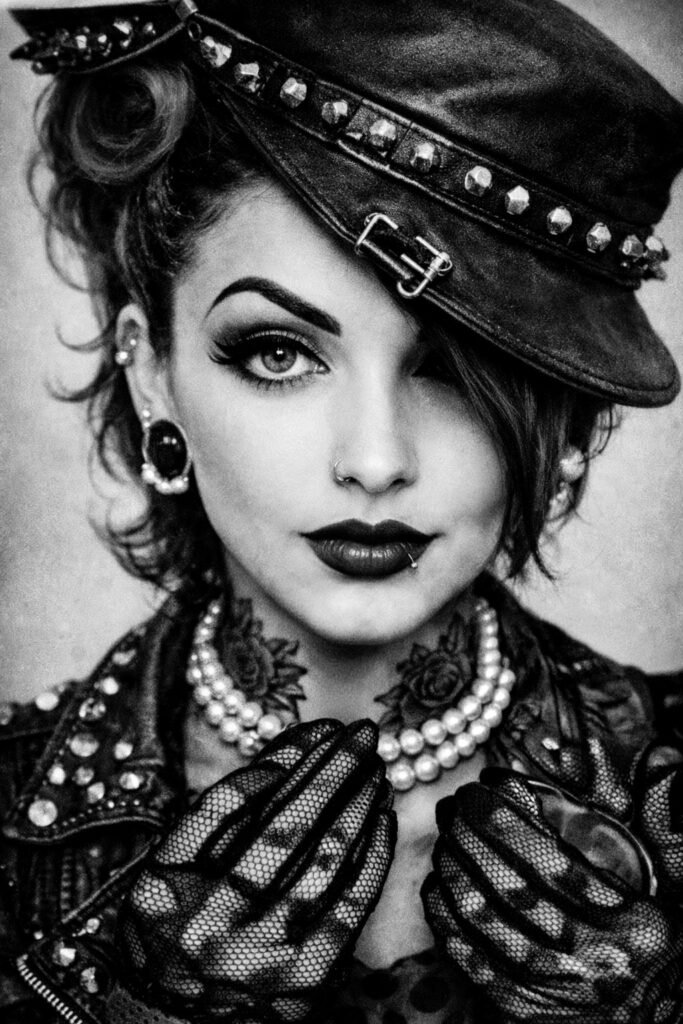
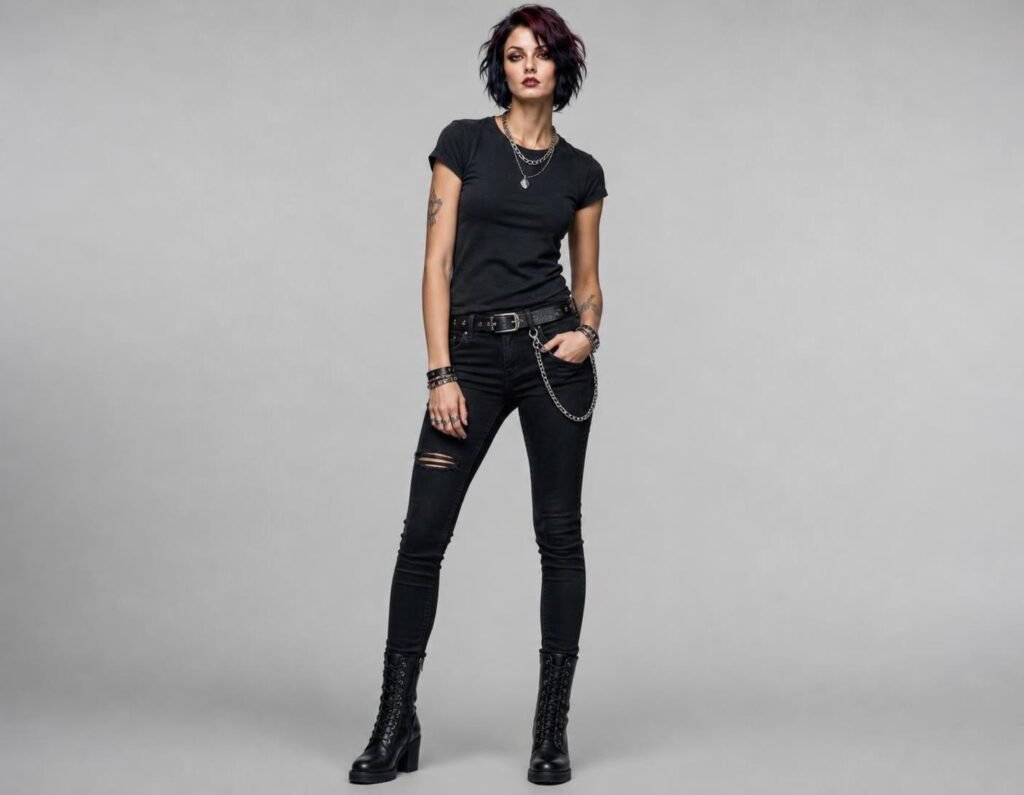
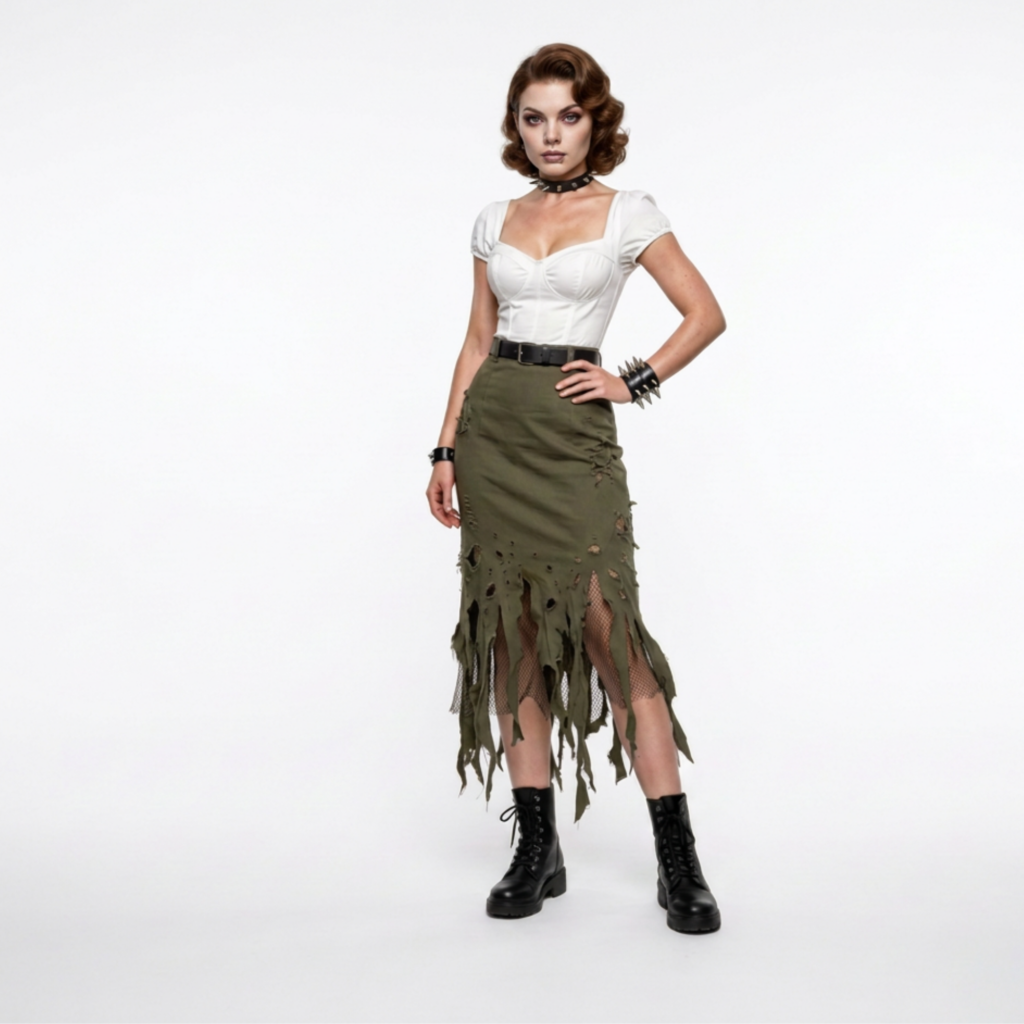
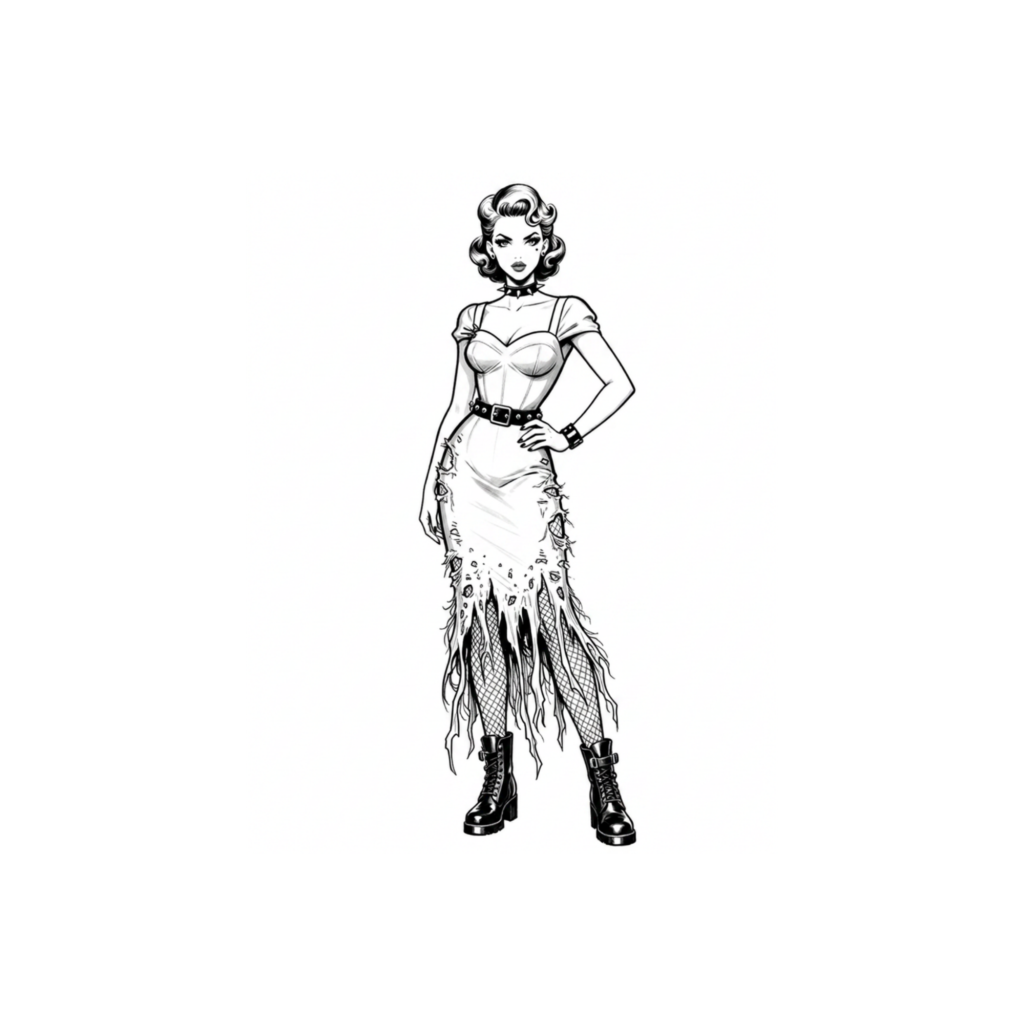
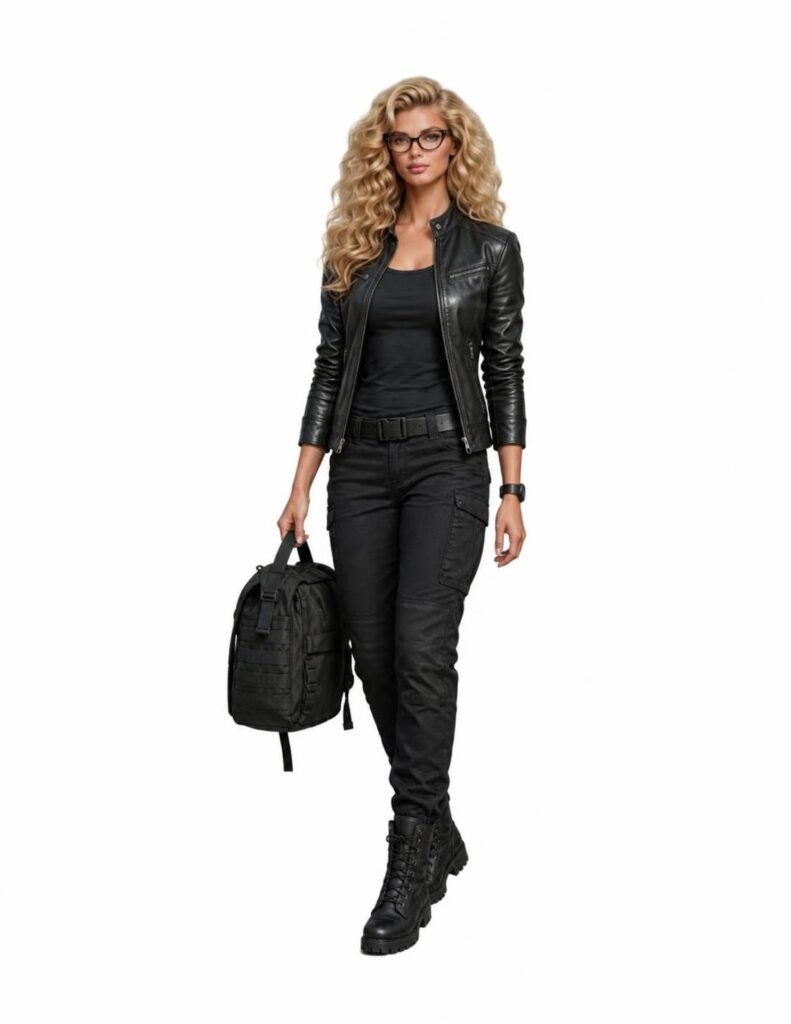
Finding JoAnne’s true personality through her looks was a treacherous journey. She didn’t present herself gently or gradually — she arrived like a strike. The youngest, the tallest, and the deadliest of the Ladies, JoAnne’s earliest images were raw, punk‑edged sketches full of leather, studs, ink, and attitude. Every version of her pushed back, demanding to be seen exactly as she is: sharp, dangerous, and shaped by a past that taught her to fight first and ask questions later. Her gallery is a map of survival, each look revealing another piece of the girl who learned early that strength was her safest language.
As she evolved, JoAnne didn’t soften — she clarified. The more you explored her style, the more her core came into focus: a protector forged in hardship, a fighter with humor as her pressure valve, and a woman whose presence is both warning and promise. Her images shift from punk grit to controlled intensity, but her essence never wavers. JoAnne’s evolution isn’t about transformation; it’s about truth. She has always been exactly who she is — and her gallery shows the journey of discovering her, one fierce image at a time.
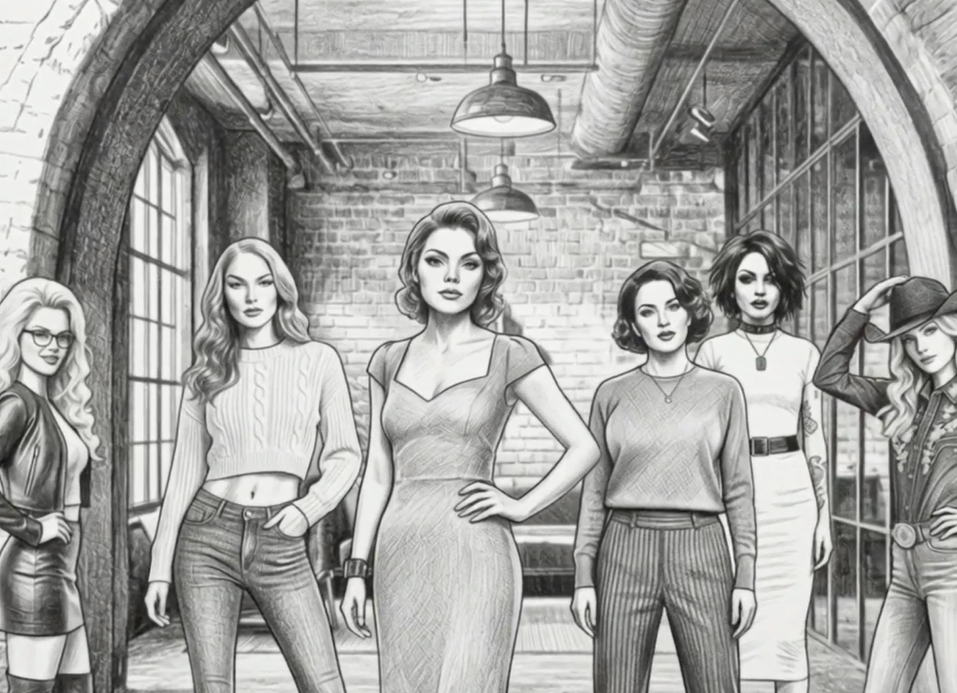
The Ladies of the Garden didn’t arrive as characters — they revealed themselves over time, each through her own evolving gallery of faces, styles, and truths. Their images chart the path from first spark to fully realized woman, showing how they grew sharper, deeper, and more defined with every step. Together, their galleries form a living archive of identity and instinct, a visual history of the women who built the Garden from the inside out. Their evolution is ongoing, and every new image adds another layer to the story they allow me to tell.